Stimulus
n., plural: stimuli
[ˈstɪmjʊləs]
Definition: That incites a biological or physiological response
Table of Contents
We can detect hot or cold environments using our sense of temperature. When the temperature is too hot, sweating (perspiration) starts in our bodies. Similarly in a cold environment, the small hairs stand on our body. This phenomenon is known as piloerection. In response, we try to cool ourselves in summer and then in winter, we wear extra clothes to keep ourselves warm. So how do bodies of humans and other species detect and respond to changes in the temperature of the environment? You must have observed that many plants shed leaves during winter. What is causing this change? How do plants know this change? Similarly, snakes, hares, squirrels, and other animals flee as soon as they feel someone around them. What causes them to flee? The answer to all of these questions lies in understanding the term “stimulus” or its plural “stimuli”.
Stimulus Definition
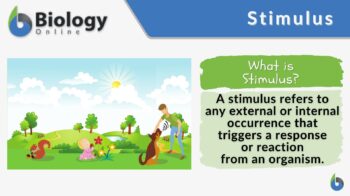
What is a stimulus? In biology, we can define stimulus as the “detectable change (physical or chemical) in the environment of an organism that results in some functional activity”. For example, sunlight acts as a stimulus for plants that helps them grow or move towards it. Another example of stimulus is high temperatures that activate (stimulate) the perspiration system in our bodies as a result of which our bodies cool down.
What do stimuli mean? What are the examples of stimuli? The meaning of stimulus can also be as the act of nature or environment on an organism that activates (stimulates) it or a part of it to react in some way. It is a common observation that after rain the frogs come out jumping. Thus, rain acts as a stimulus for them.
The word stimulus (or its plural stimuli) is often used by human behavior researchers. In terms of psychology, stimuli are those actions, acts, or procedures that evoke a reaction from the human mind. The stimuli may be visual, audio, physical, or a mix of them. One example of using stimuli is in the treatment of achluophobia (fear of the dark). After the treatment, the subject (human) is exposed to dark. The darkness is the stimulus of achluophobia. The bodily responses of the patient are measured to study the reaction and curing stage of the patient.
The organisms can detect the changes using their sensory organs. The sensory organs can detect external changes (such as temperature, light, sound, etc.) or internal changes (loss of energy results in hunger). The sensory system signals the changes to the mind which elicit a response. The response can be in the form of physical activity (move, run, change shape, etc.) or internal response (perspiration). Moreover, the stimulus can be detected by an organism only if it is higher than an absolute threshold.
Stimulus is an object, event, or factor capable of inciting a physiological response. Any of the five senses will respond to a particular stimulus. Based on the stimuli applied to the sensory organs, there are two kinds of stimuli: (1) homologous stimulus and (2) heterologous stimulus. Etymology: Latin stimulus (“goad, prick”).
Science of Stimulus & Response
Following is the mechanism of stimulus recognition in animals:
- Stimulus: A detectable change happens in the environment
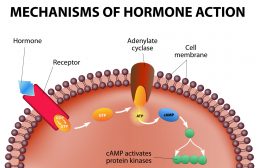
- Receptors: The receptor converts environmental stimuli into electrical nerve signals
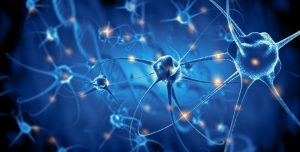
- Neurons: The nerve signals are transferred to the central nervous system via neurons
- Effectors: Effectors produce a response as a result of the stimulus. Effectors are muscles or glands
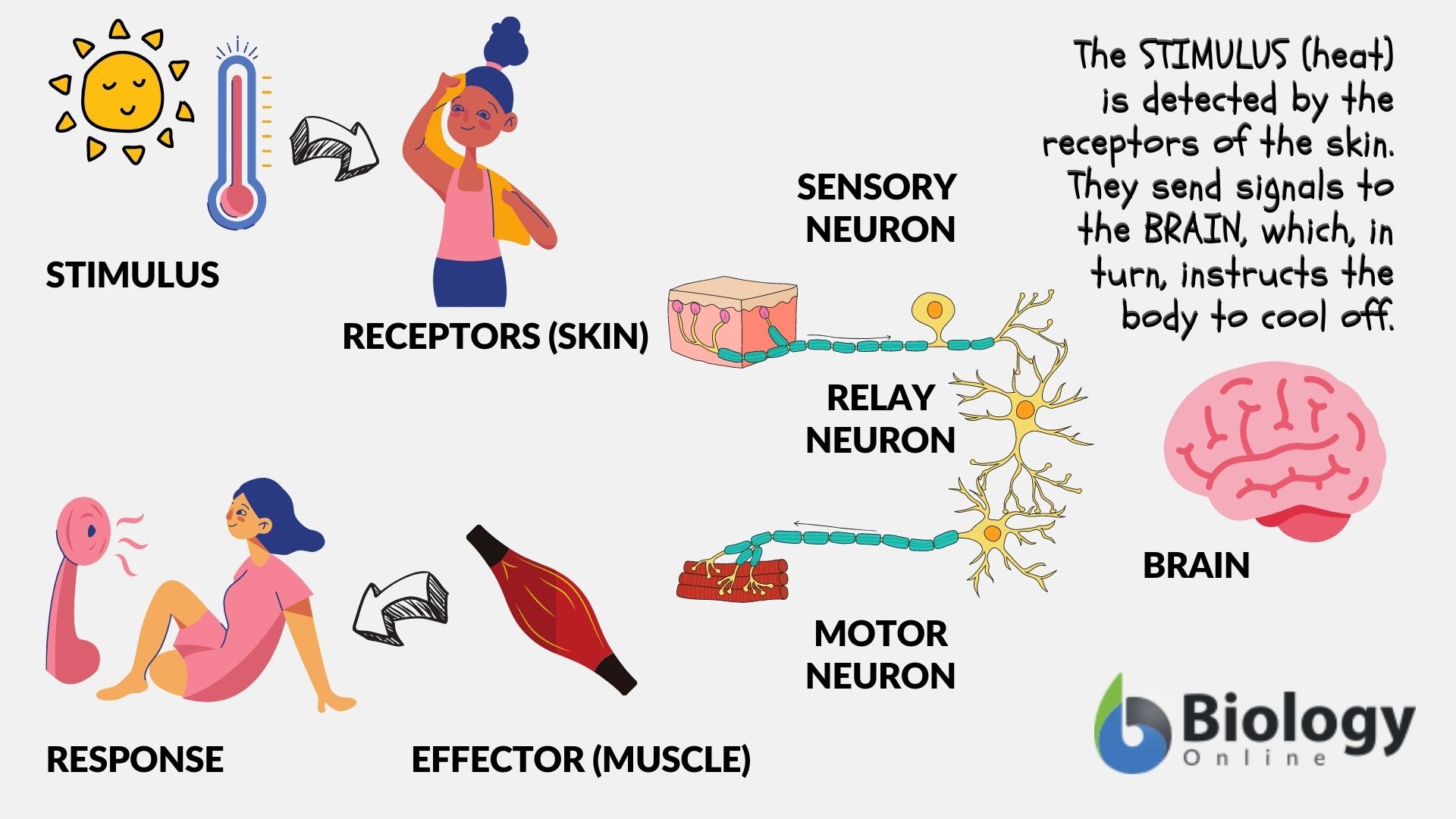
Three types of neurons are involved in the stimulus-response pathway
- Sensory Neurons: They transmit signals from receptors to the central nervous system
- Relay Neurons: They transmit signals within the central nervous system as part of the decision-making process
- Motor Neuron: Motor neurons carry information from the central nervous system to effectors (muscles or glands) to initiate a response.
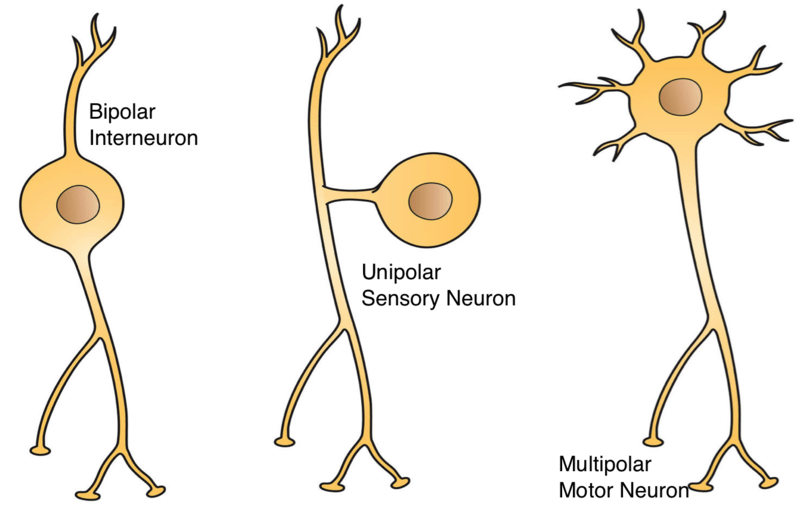
What does the central nervous system use to determine the strength of a stimulus?
The strength of the stimulus defines whether a nerve fiber will fire. The stimulus will affect only if a certain threshold is reached. Below that threshold, the neurons will not transmit any data to the brain.
Types of Stimuli
There are two main types of stimulus –the external stimulus and the internal stimulus. The response to any type of stimulus is either learned or instinctual in nature. For example, a deer will flee as a response after seeing a predator whereas a human response can be different, such as hiding, or driving the car away, or firing a bullet. All of these responses are learned responses while the response of deer was instinctive.
External stimulus
The external stimulus includes touch and pain, vision, smell, taste, sound, and balance (equilibrium). These sensory stimuli are activated by external changes.
- Pain and touch: Pain is the stimulus that can cause a major response from the body. Pain can also change the behavior of the organism. In response to pain, if the mind decides that a response must be given, a signal will be sent to muscles that will behave accordingly. Pain stimulus is sensed by the pain receptors known as nociceptors. Touch is another stimulus that can cause the organism to change its behavior. For example, the sensitive plant (also known as touch-me-not) responds to touch stimuli and closes its leaves.
- Vision: Vision stimuli are sensed by a special type of neuron known as photoreceptor cells. The organisms analyze the condition of the environment or space around them using vision. Visual stimuli can lead an animal toward its prey. On the other side, visual stimuli in prey will direct it to flee for its survival. In humans, visual stimuli help us control almost everything — from crossing the road to flying an airplane.
- Taste: Taste is also an external stimulus because it comes from touching an external thing (food) with the tongue. The cells on taste buds are known as gustatory cells. They are responsible for creating a sense of taste. This sense of taste stimulates the mouth to produce different digestive enzymes. Thus taste is a stimulus for the production of saliva and digestive enzymes.
- Smell: Smell is the stimulus for several organisms that either drives them towards the food or away if it’s rotten or poisonous. Goats, sheep, and animals of similar breeds usually smell their food before eating. They will ignore the plants even before tasting them due to smell. In humans, the smell of good food stimulates the saliva glands. Similarly, the smell of a poisonous gas such as ammonia stimulates the body to move away from the area. The smell is sensed by olfactory organs located inside the nose. The volatile molecules touch the olfactory organs to stimulate the sense of smell.
- Sound: Sound is a stimulus for a large number of organisms. Sound helps recognize the presence of other animals or objects. Bats, for example, send sound waves periodically to locate the obstructions that may come during their flight. The sound of buffalo, cow, goat, deer, or other animals is the stimulus for predators, such as lions and tigers. Similarly, when an eagle is flying around, the hen will produce a sound that acts as an alarm for her chicks. The chicks will run towards the hen and will hide under her feathers. The sound of a hen in this case is a stimulus for chicks. Human beings are also affected by sound. The sound of a piano or other music can stimulate a good mood. Similarly, the sound of a bullet fire can stimulate fear in the body.
- Balance: Animals need balance to walk and move from one place to another. The force of gravity is constantly pulling down and can result in a fall if the animal is not balanced. For four-leg animals, balance is less complex as compared to two-legged. The orientation of an animal is an external factor and acts as a stimulus. The signals from the cochlea convey to the brain information about orientation. This information is, then, processed by the brain, and signals are sent to muscles to keep the balance.
READ: The Human Physiology – Sensory Systems
Internal stimulus
As the name implies, the internal stimulus comes from within the organism. For example one of the internal stimuli is hunger which is a sign of low energy in the body. It stimulates us to eat something to regain the needed energy.
- Blood Pressure: Blood pressure is an internal stimulus of mammals that is measured by receptors in arteries. When blood pressure is too high, the arteries will stretch and receptors will send the signal to the brain. The brain will lower the heart rate. If the receptor is not sending any signal it means the blood pressure is low. The brain will increase the heart rate to keep the blood pressure normal. All this happens without any sensible signs. However, if blood pressure is too high, humans feel pain in the back of the head.
- Homeostasis: Homeostasis is the internal physical and chemical balance of independent conditions that a body of mammal maintains for living. Examples of homeostasis are blood levels, nutrient levels, temperature, etc. The stimulus for homeostasis is a change in internal conditions which is measured by the variety of receptors.
Read: Homeostasis – Definition and Examples
Stimulus Examples
The three examples of stimulus are explained here, i.e. stimulus in plants, animals, and humans.
Stimulus in plants
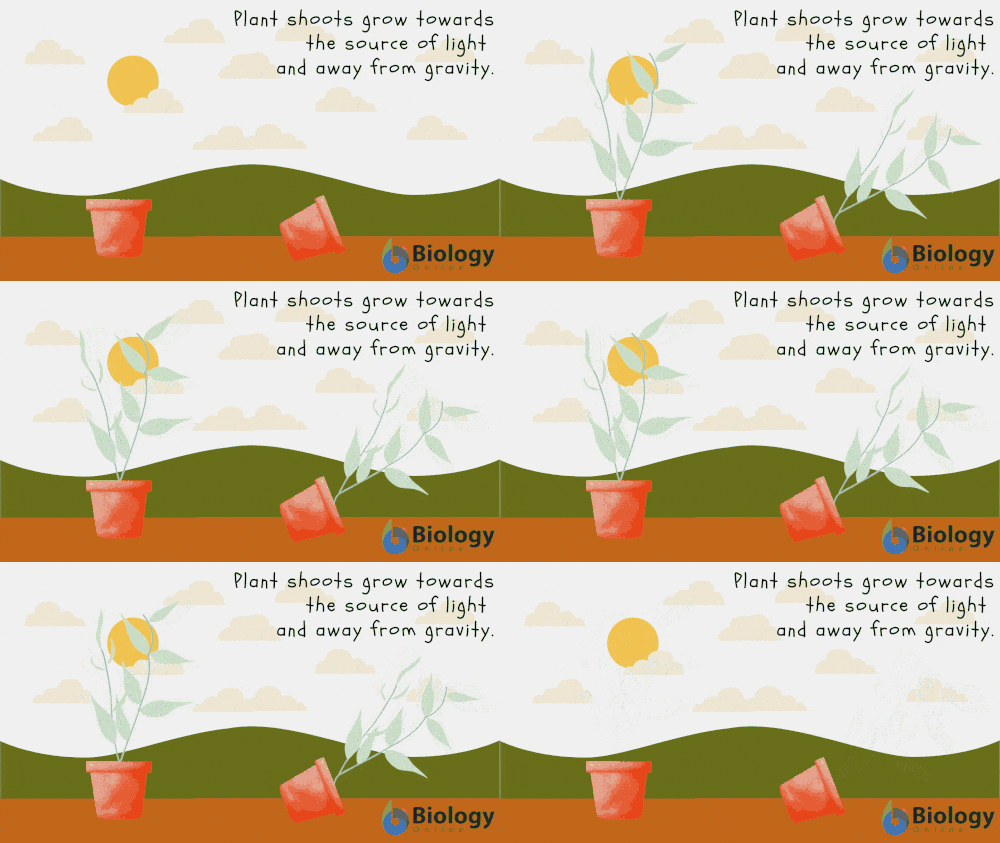
The major requirements of a plant are water and sunlight. The plant responds to many types of external stimuli such as light, gravity, weather, and touch. The response of a plant is either positive (grow towards the stimulus) or negative (grow away from the stimulus). For example, phototropism is the plant’s response to a stimulus, i.e. sunlight. A plant hormone “auxin” keeps the plant’s direction towards the sun by activating the growth in a particular part of a stem.
Similarly, gravitropism in plants responds to the stimulus, i.e. gravity. Ideally, the plant should remain in an upright position to gain the required nourishment. If a plant falls, the auxin levels in the lower part of the stem will increase stimulating cell elongation causing the stem to bend towards the sky.
Stimulus in animals
An example of stimulus in animals is the sight of another animal (especially predators) where they respond by fleeing away or fighting. In animals, most of the responses as a result of stimulus are of instinctual nature. An ostrich can run at a speed of 70km/h when stimulated by some danger. Dogs can be trained to respond to certain words such as sit, stand, eat, etc. The voice of the human acts as a stimulus for the dog and it responds accordingly.
Stimulus in human
Humans are supreme in terms of mental capabilities and thus respond to several stimuli apart from basic ones such as taste, smell, temperature, sound, etc. The stimulus in humans can be a sight of a picturesque scene or the smell of food. Human behavior itself is a stimulus for another human. A kind and soft behavior will have a positive impact on others.
NOTE IT!
Perceptual Illusions — confounding the sensory system
Have you ever seen any of the mind-boggling perceptual illusions that spread through our social feeds? How many times has your mind been tricked into perceiving what you thought of as real only to find out that it’s not? Amazing, isn’t it? Sometimes, we even have to play it back a couple more times just to be sure our senses were indeed mistaken.
Here is a sample video. You might hear different syllables, e.g., from “ba-ba” to “fa-fa”…
The truth is the audio stays the same, only the video (mouth) changes. This phenomenon is referred to as the McGurk effect — an illusion wherein our brain misinterprets stimulus when the auditory and visual cues conflict.
Then, there is a rubber hand illusion wherein the subject eventually believes in feeling something from a rubber hand and the brain is tricked into thinking as part of its own body.
This just shows how our perceptions of the world may not be definitive or real at times.
Go ahead and have your mind tricked with these amazing illusions:
Answer the quiz below to check what you have learned so far about stimuli.

References
- Bioninja. (2020). Stimulus Response. Retrieved February 18, 2021, from https://ib.bioninja.com.au/standard-level/topic-6-human-physiology/65-neurons-and-synapses/stimulus-response.html
- Byjus. (2020). plant stimulus. Retrieved February 18, 2021, from https://byjus.com/biology/tropic-movements-in-plants/)
©BiologyOnline.com. Content provided and moderated by Biology Online Editors.