Pluripotent
adj., [plʊəˈɹɪpətənt]
Definition: a cell that can develop into certain fully-differentiated cell types
Table of Contents
Pluripotent Definition
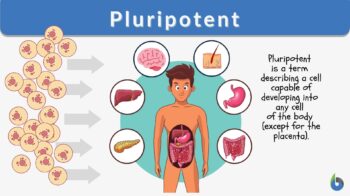
What is pluripotent? In biology, the term “pluripotent” means capable of developing into differentiated cells. Pluripotent cells are the embryonic stem cells that have the unlimited capacity to divide, self-renew and differentiate into cells of early primary germ cell layers, namely mesoderm, endoderm, and ectoderm.
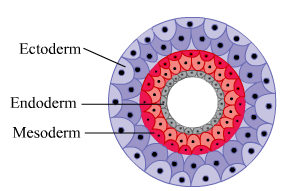
The different embryonic layers eventually form different cells and tissue.
Endoderm differentiates to form the stomach lining, lungs, and gastrointestinal tract;
Ectoderm differentiates to form the nervous system and epidermal tissues.
Mesoderm forms blood, muscles, and bones. In a mammalian embryo, three primary germ layers develop from the small group of 10–20 pluripotent cells that are formed a few days after fertilization.
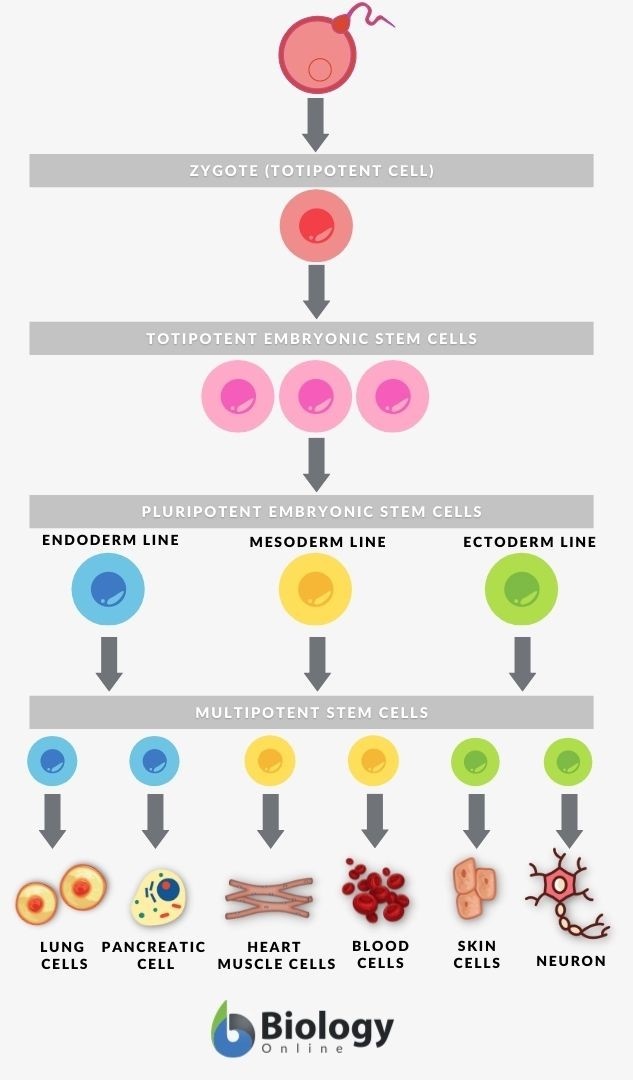
What is a pluripotent cell? The pluripotent cells have the ability to divide and differentiate into any type of three embryonic layers that can eventually form specialized body cells or tissues (nerve, blood, muscle, etc.) except for the extraembryonic cells (placenta). This is the primary differentiating point between the totipotent cells and the pluripotent cells.
Totipotent cells have the ability to differentiate into any body cell, even the extraembryonic cells (placenta). In contrast, pluripotent cells distinctly lack the ability to differentiate into extraembryonic cells. Let us further understand the difference between pluripotent cells and totipotent cells through the table below.
Pluripotent pertains to the ability of a cell to differentiate into many cell types (except for the placenta). Thus, a pluripotent cell means it is an undifferentiated cell that is capable of developing into different types of mature cells of the body. An undifferentiated cell means the cell has no special function apart from growing by multiplying. Nevertheless, it could develop and acquire a specific function through a natural process of cell differentiation. Examples of pluripotent cells are the stem cells in animals and the meristematic cells in higher plants. Pluripotent stem cells came from totipotent cells. Etymology: from Latin “pluri”, meaning “many” and “potent”, meaning “have power” or “to be able”. Related term: pluripotency (noun). Compare: unipotent, totipotent, multipotent
Table 1: Pluripotent cells vs. Totipotent cells |
|
|---|---|
| Pluripotent cells | Totipotent cells |
| Define pluripotent: Stem cells that have the capability to differentiate into three primary embryonic germ layers
|
Define totipotent: Stem cells that have the capability to differentiate into any type of body cell or tissue, including the extraembryonic stem cells |
| Embryonic stem cells and induced pluripotent cells are pluripotent | Spores and zygote are totipotent |
| Pluripotent cells can form three germ layers, namely, mesoderm, endoderm, and ectoderm | Totipotent cells can differentiate into 200 types of body cells with different functionality |
| Differentiation potential is relatively lower | Posses optimal differentiation potential |
| Pluripotent cells are formed after the formation of totipotent cells | The zygote and the spore are single totipotent cells. The zygote, in particular, can divide to give rise to a set of totipotent cells (i.e., the blastomeres of the early morula) |
One would come across another type of stem cell- the multipotent stem cells. First, let us understand what multipotent stem cells are. Multipotent stem cells are derived from pluripotent cells. The multipotent cells can differentiate into a specific type of cells; for example, blood stem cells can differentiate to form red blood cells or white blood cells, or platelets. For a particular body cell, specific multipotent stem cells are present in the body.
Types of Pluripotent Stem Cells
There are different types of pluripotent stem cells-
- Induced pluripotent cells or iPS cells
- Embryonic stem (ES) cells
- True ES cells from the embryo
- ES from somatic cell nuclear transfer
- ES from unfertilized eggs
Induced pluripotent cells or iPS cells
As the name suggests, iPS cells are the outcome of scientific research wherein normal body cells like skin cells are genetically programmed to function like pluripotent cells. iPS cells are a valuable medical tool for the effective treatment of some disease conditions and understanding the disease state. iPS cells are derived from the adult somatic cells. Being the patient’s own body cell, iPS cells do not pose the problem of incompatibility leading to tissue rejection on transplantation.
Actual ES cells from the embryo
The embryonic stem cells that are derived from the embryo are categorized as ‘true’ ES stem cells. These cells are primarily utilized in the research. They are usually obtained from the discarded embryos that are formed after in-vitro fertilization.
ES from somatic cell nuclear transfer
Somatic cell nuclear transfer means the process of transferring the nucleus of a somatic cell (like skin cells) to another cell, like the egg cell. This results in the formation of genetically reprogrammed cells that possess pluripotency. The development of such pluripotent cells has been successfully carried out in lower animals.
ES from unfertilized eggs
The unfertilized eggs can be induced to form embryos without fusing them with the sperms by a process known as parthenogenesis. Such embryos are cultured in the laboratory for days, and then the embryonic stem cells are harvested from them.
Pluripotent Examples
The gold standard for pluripotent stem cells is the embryonic stem cells that result from the inner cell layer of blastocyst formed before gastrulation. In plants, meristematic cells are pluripotent.
Pluripotency in plants
Till now, we have understood that pluripotent cells are present in animals. So one may be curious to know whether plants also exhibit pluripotent cells.
Interestingly, nature has preserved the primary mechanism of reproduction same in both animals as well as plants. In both cases, embryos are formed after the fusion of male and female gametes. The embryo possesses pluripotent cells, which eventually form different cells and tissues through multipotent cells. So, the essential basic reproduction process remains the same in both animals and plants. However, the key difference lies in the lifelong control of pluripotency in plants provides them with the ability to regrow any part of the plant. This ability to regrow any part of the plant is known as developmental plasticity.
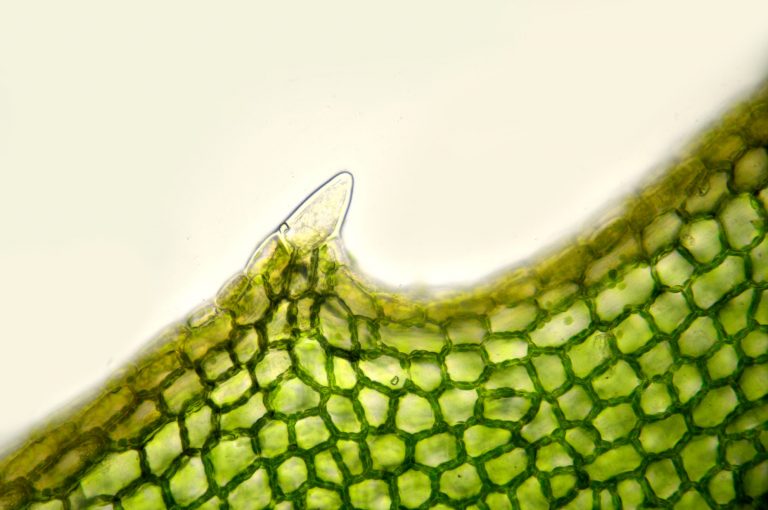
In such a case, one may ask, Are all plant cells pluripotent? In plants, the meristematic cells are pluripotent cells. There are two primary meristems in plants: the shoot apical meristem (SAM) and the root apical meristem (RAM). SAM is present at the tip of stems whereas RAM is present at the tip of roots. The combination of SAM and RAM results in longitudinal plant growth with root and stem development. Additionally, plants possess a secondary meristem, i.e., cambium, which helps in the radial expansion of the plant.
Try to answer the quiz below to check what you have learned so far about pluripotent.

Further Reading
- Why Embryonic Stem Cell Use is Unethical – Biology Online
- First time! Human blood cell turned into a young sex cell
References
- Gaillochet, C., & Lohmann, J. U. (2015). The never-ending story: from pluripotency to plant developmental plasticity. Development (Cambridge, England), 142(13), 2237–2249. https://doi.org/10.1242/dev.117614
- Mitalipov, S., & Wolf, D. (2009). Totipotency, pluripotency and nuclear reprogramming. Advances in biochemical engineering/biotechnology, 114, 185–199. https://doi.org/10.1007/10_2008_45
- Smith A. (2009). Design principles of pluripotency. EMBO molecular medicine, 1(5), 251–254. https://doi.org/10.1002/emmm.200900035
- Ye, L., Swingen, C., & Zhang, J. (2013). Induced pluripotent stem cells and their potential for basic and clinical sciences. Current cardiology reviews, 9(1), 63–72. https://doi.org/10.2174/157340313805076278
©BiologyOnline.com. Content provided and moderated by Biology Online Editors.