Organism
n., plural: organisms
[ˈɔɹ.ɡən.ɪ.zəm]
Biology definition of organism: a living thing that has an organized structure, can react to stimuli, reproduce, grow, adapt, and maintain homeostasis
Table of Contents
An organism refers to a living thing that has an organized structure, can react to stimuli, reproduce, grow, adapt, and maintain homeostasis. An organism would, therefore, be any animal, plant, fungus, protist, bacterium, or archaeon on Earth. These organisms may be classified in various ways. One of the ways is by basing upon the number of cells that make it up. The two major groups are the single-celled (e.g. bacteria, archaea, and protists) and the multicellular (animals and plants). Organisms can also be classified according to their subcellular structures.
Those with a well-defined nucleus are referred to as eukaryotes whereas those without are called prokaryotes. Both of them possess a genetic material but the location differs. In eukaryotes, the genetic material is found inside the nucleus whereas, in prokaryotes, it is located in a special region called a nucleoid.
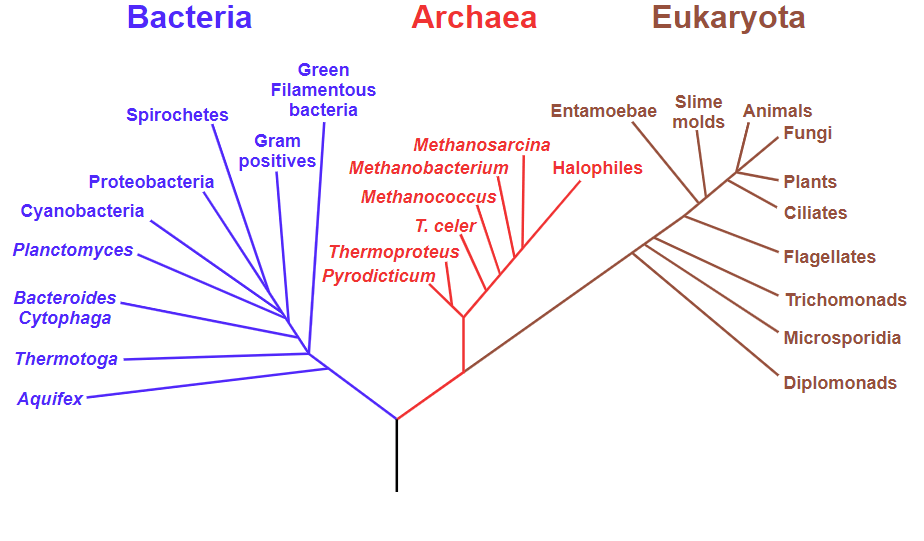
A modern system of classification groups living things into three distinct domains:
Both archaea and bacteria are prokaryotic organisms whereas Eucarya, as the name suggests, includes all the eukaryotes. The scientific study of all organisms is called biology. Biology is a field of science that aims to study the structure, function, distribution, and evolution of living things.
Organism Definition
An organism is defined as an entity with life. Both living things and non-living things are basically made up of molecules. However, a living thing can be identified and distinguished from an inanimate object by its distinctive characteristics. For example, an organism is made up of one or more cells.
This structure is made up of molecules that are biologically produced and naturally occurring. Such molecules are termed biomolecules. Examples are proteins, nucleic acids, lipids, and carbohydrates. These biomolecules can organize into complex particles, which in turn, can form subcellular structures.
These subcellular structures are contained within a cell. The cell is regarded as the fundamental biological unit as every living thing is made up of at least one cell.
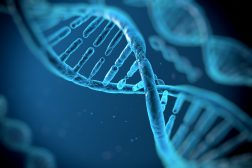
One of the most important subcellular components of a cell is the chromosome. The chromosome bears the genetic code. In bacteria and archaea, the chromosome is a circular strand of DNA. In humans and other higher forms of organisms, it is a threadlike, linear strand of DNA.
The part of the DNA that is responsible for the physical and heritable characteristics of an organism is called a gene. The genes code for amino acids, proteins, and RNA molecules. Proteins are one of the most ubiquitous groups of biomolecules. Many of them are enzymes that catalyze many biological processes.
Changes involving a gene may lead to mutations. As a result, novel features could arise. While some mutations can be lethal or can cause detrimental effects, there are also certain mutations that can lead to beneficial outcomes. Mutations can drive evolution and natural selection. The acquisition of new traits from these mutations may be beneficial to the survival of a species. For example, a strain of bacteria that initially were susceptible to antibiotics could transform and become resistant to antibiotics when they acquire new genes. In this regard, an organism is, therefore, capable of change (by mutation) and adaptation.
Aside from enzymes, many biological reactions require energy. The most common form of energy utilized by a living thing is ATP, i.e. chemical energy used to fuel various biological reactions. In plants and other photosynthetic organisms, light energy is converted into chemical energy via the process of photosynthesis. Another way of producing energy is by cellular respiration. Cellular respiration is a cellular process wherein carbohydrates are processed to produce chemical energy.
Organisms metabolize. This means that they carry out processes that keep them alive. Metabolic processes include growth, response to stimuli, reproduction, waste elimination, and biosynthesis. Two forms of metabolism are anabolism and catabolism. Anabolism includes the energy-requiring reactions that lead to the building up of biomolecules. Conversely, catabolism includes processes of breaking down particles into simpler molecules. Living things carry out these metabolic processes in an orchestrated, systematized manner. They have diverse regulatory mechanisms to ensure that homeostatic conditions are kept and sustained.
Organisms are capable of detecting and responding to stimuli. They can detect changes in their environment. Humans and other animals have the senses to detect stimuli. The five fundamental senses are sight, smell, touch, taste, and hearing. The response is crucial to survival. For instance, an individual organism might move away from the source of the stimuli. Others might move towards it.
Organisms can reproduce. They can give rise to another of the same kind (species). There are essentially two ways to do this: (1) by sexual reproduction, i.e. involving gametes, or (2) by asexual reproduction, i.e. a reproduction that does not involve gametes. In asexual reproduction, the offspring is a clone of the parent. In sexual reproduction, the offspring is a new individual formed by the union of the sex cells.
Organisms go through life stages. The offspring will grow to adulthood, meaning the phase at which it is also capable of reproducing. At the cellular level, growth entails an increase in size or an increase in number. An increase in cell size is one in which the cell increases in girth as it synthesizes and stores biomolecules. An increase in the number entails an increase in the cell number through cellular division.
Recommended: Biochemi Macromolecule Playing Cards, from Digitalworldbiology.com. A great activity for learning about the four major groups of biomolecules: fats, carbohydrates, nucleic acids, and proteins.
Types of Organisms
There are many ways to classify organisms. Find out below.
Prokaryotes vs. eukaryotes
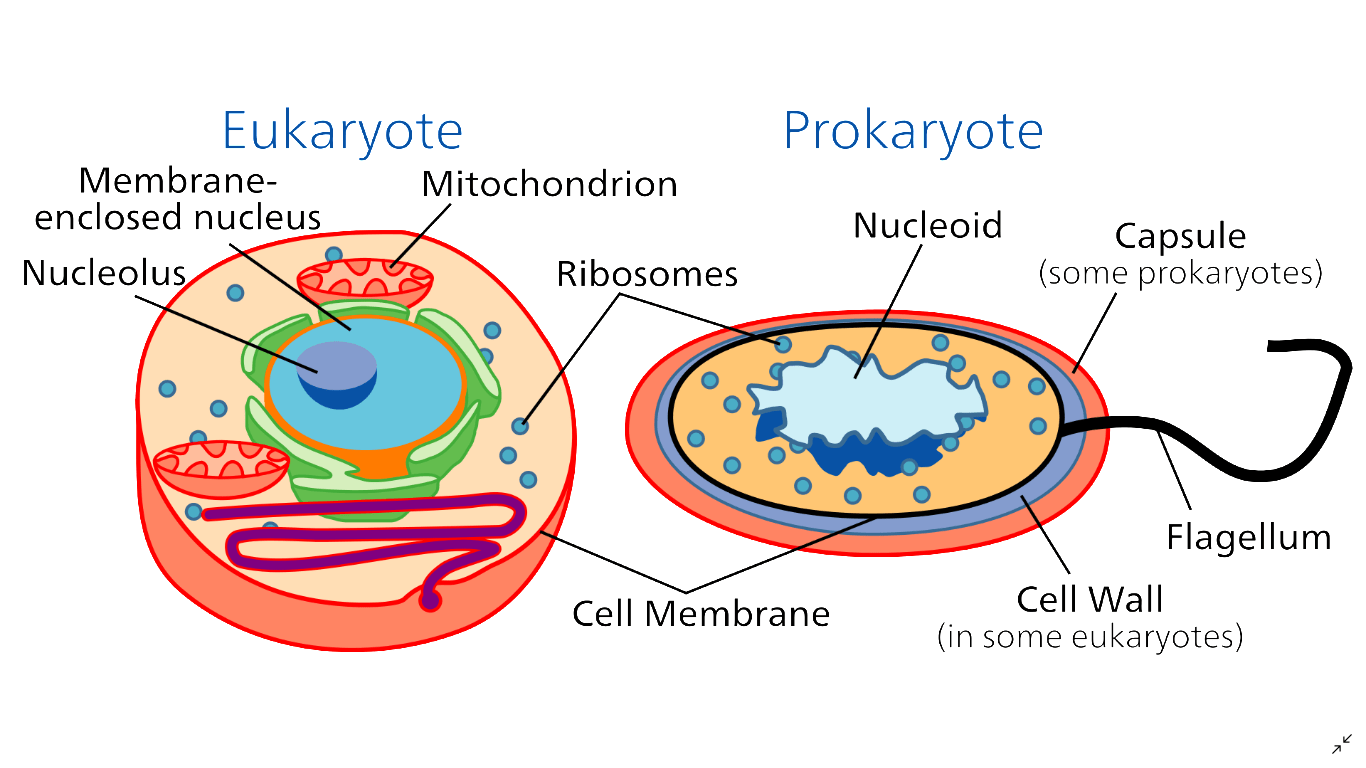
The nucleus is an organelle that has a membrane (called the nuclear envelope) perforated with holes (called nuclear pores). Inside the nucleus are genetic material and nuclear bodies suspended in the nucleoplasm. Nucleoplasm is the protoplast material inside the nucleus. These nuclear structures are absent in a prokaryotic cell.
The nucleus of a eukaryotic cell is where DNA replication (the process in which a DNA segment is duplicated) and transcription (a process where mRNA transcript is produced) occur. Conversely, these processes occur in the cytoplasm of a prokaryotic cell. The presence of a nucleus compartmentalizes the genetic material and these processes. The nuclear envelope prevents the easy entry of molecules and thereby regulates the passage of molecules into and out of the nucleus. There is an instance though when the nucleus apparently disappears. During cellular division, the nuclear envelope disintegrates to allow the chromosomes to separate and move to opposite poles, and then reforms to compartmentalize the genetic material in each of the two new cells.
Apart from the nucleus, other membrane-bound organelles found in a eukaryotic cell that are not present in a prokaryotic cell are mitochondria, plastids, endoplasmic reticulum, Golgi apparatus, lysosomes, and endosomes. Because of the presence of larger cytoplasmic structures, a eukaryotic cell is notably larger than a prokaryotic cell.
What is common between a prokaryotic cell and a eukaryotic cell is the presence of genes that store genetic information. Ribosomes (cytoplasmic structures that serve as the site of protein synthesis) are also present in both cell types. Nevertheless, the prokaryotic ribosomes are 70S (made up of 50S and 30S) whereas the eukaryotic ribosomes are 80S (made up of 60S and 40S). And while the ribosomes of the prokaryotes are made in the cytoplasm the process of ribosome synthesis involves both the cytoplasm and the nucleolus of the nucleus in eukaryotes.
Examples of prokaryotes are bacteria and archaea whereas eukaryotes include protists, fungi, plants, and animals.
Single-celled vs. multicellular
Organisms may be described as single-celled (unicellular) or multicellular. Unicellular organisms are those that are made up of only one cell. Conversely, multicellular organisms are comprised of many cells that act as a unit performing a particular function. Examples of unicellular prokaryotes are bacteria and archaea and unicellular eukaryotes are protists and certain fungi. Multicellular organisms include plants and animals.
In multicellular organisms, a group of cells makes up a tissue. The cells in a tissue have a similar structure and function. Examples of animal tissues are nervous tissue, muscle tissue, vascular tissue, and connective tissue. As for plants, the examples of tissues are the meristematic tissues, the permanent tissues, and the reproductive tissues. A group of tissues that are organized into an anatomical unit is called a biological organ. Examples of animal organs are as follows: heart, lungs, brain, stomach, skin, pancreas, liver, intestines, kidneys, and sex organs. In plants, the organs are roots, stems, leaves, flowers, fruits, and seeds.
In animals, the organs may be further organized into an organ system. In humans and other vertebrates, the organ systems are as follows: integumentary system, lymphatic system, muscular system, nervous system, reproductive system, respiratory system, skeletal system, endocrine system, digestive system, cardiovascular system, immune system, and urinary system. Each of these systems carries out a particular function. For instance, the digestive system is responsible for the digestion of food. The cardiovascular system is for the transport of biomolecules and substances throughout the body.
While a multicellular living thing has distinct systems to perform specific tasks, a unicellular organism would perform these processes of life as a single independent unit.
Taxonomic Classification
Living things are classified into three major domains as proposed by Carl Woese. These domains are the Archaea, the Eubacteria (true bacteria), and the Eucarya. Below the domain are other major taxonomic levels: kingdom, phyla, class, order, family, genus, and species.
-
Domain Archaea and Domain Eubacteria
The Archaea and the Eubacteria are both prokaryotes whereas Eucarya includes the eukaryotes. Thus, both Archaea and Eubacteria lack distinct membrane-bound organelles. However, there are subtle differences between the two that led to their separation into distinct domains. Archaea have genes and certain metabolic pathways that are more closely related to eukaryotes than eubacteria. For example, the enzymes in transcription and translation are more similar to those of eukaryotes than those of eubacteria. As such, they are given a domain of their own since they have features that are different from true bacteria.
-
Domain Eucarya
The list of living organisms that belong to Domain Eucarya is as follows:
1. Protists
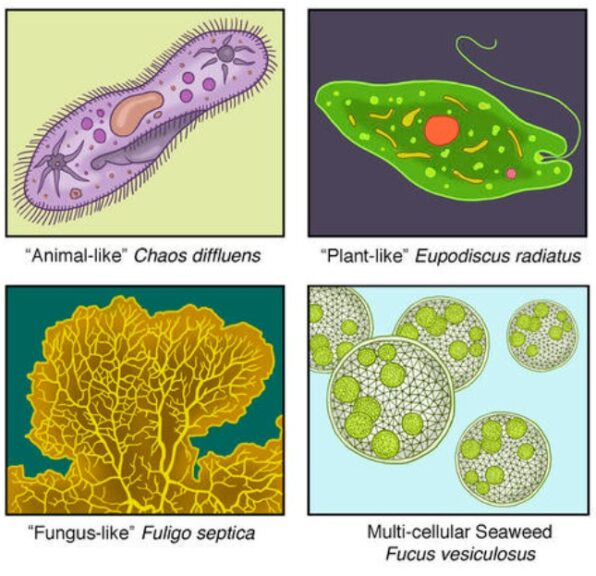
Protists are living things characterized by having a relatively simple organization. Some of them are single-celled and others are multicellular. Another group of protists is colonial, meaning they form a colony of independent cells. They live in aquatic habitats and lack specialized tissue organization. Examples are animal-like protozoans, plant-like algae, fungus-like protists, slime molds, and water molds.
2. Fungi
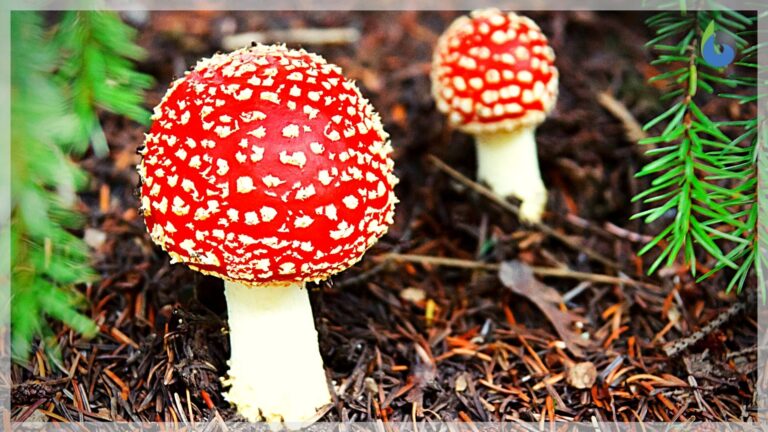
Fungi are eukaryotes that are known for their heterotrophic mode of nutrition since they lack chlorophyll (a pigment essential in photosynthesis). Many of them are filamentous. The filaments, called hyphae, are multicellular structures that form a mycelium. They use their hyphae for absorbing food. They are similar to plants in having a cell wall. Their mode of reproduction is by spore formation. The kind of spores they produce (i.e. asexual or sexual) is used as a basis to further classify them into perfect fungi (produce both asexual and sexual spores) or imperfect fungi (produce asexual spores only). Examples of fungi are yeasts, rusts, stinkhorns, molds, puffballs, mildews, and mushrooms.
3. Plants
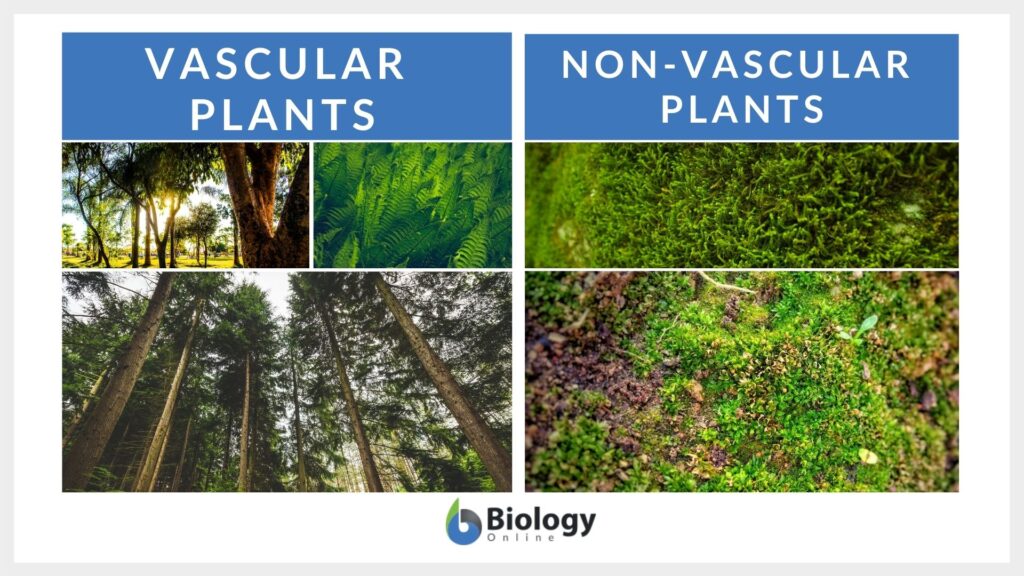
Plants are multicellular photosynthetic life forms. One of the major distinctive features of plants is the presence of chloroplasts containing chlorophyll systems that collect light energy from a light source to be converted into chemical energy through photosynthesis. They are autotrophic eukaryotes. They are capable of manufacturing sugars (as their food) from carbon dioxide, water, and light energy. In photosynthesis, oxygen is a by-product. The plant releases oxygen into the environment through its stomates. Apart from the chloroplasts, other plastids present are chromoplasts (plastids that store pigments) and leucoplasts (non-pigmented plastids used mainly for storing food). Typically, the largest cytoplasmic structure in a plant cell is the vacuole, which is used for osmoregulation and regulation of turgor pressure. Plants reproduce by asexual and sexual means. Asexual reproduction is by budding, spore formation, fragmentation, and budding. Sexual reproduction involves male and female gametes. Tracheophytes, in particular, have a life cycle of alternating phases of sporophyte and gametophyte.
5. Animals
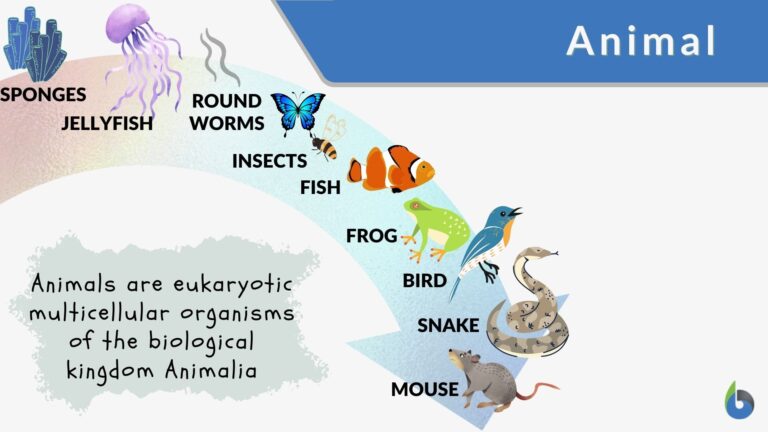
Animals are multicellular eukaryotes. The cells in a tissue are joined through cell junctions (e.g. tight junctions, gap junctions, and desmosomes). Their lack of chloroplasts (and the green pigment, chlorophyll) makes them incapable of photosynthesis. Thus, they rely on other organisms for sustenance. Thus, similar to fungi, the animals, too, are heterotrophic. They may lack cell walls but they have a skeletal system that provides structural support. They also possess sensory organs, such as eyes, nose, skin, ears, and tongue to detect stimuli. The sensory information is relayed to the brain for processing. The response may be relayed to the target cell, e.g. another nerve or a muscle to exert an action. Most animals reproduce through sexual reproduction. A haploid male gamete unites with a haploid female gamete to form a diploid zygote. Animals respire by taking in oxygen by inspiration and then releasing carbon dioxide by expiration.
Viruses and Viroids
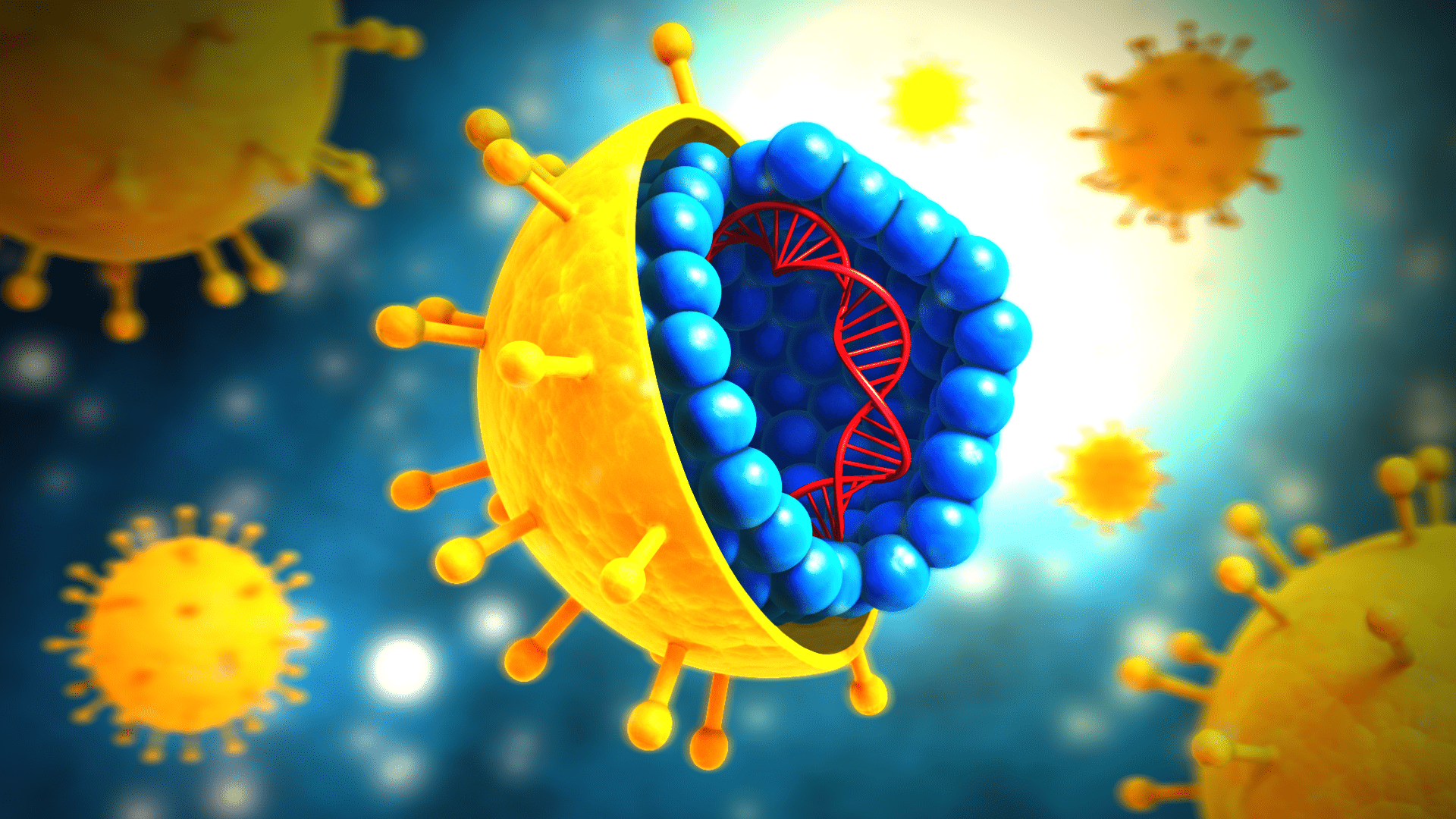
Whether viruses are organisms or not is a matter of debate. Similar to living things, viruses have genetic material. However, they are apparently alive only when they are inside the host. Otherwise, they are biologically inactive. When they are active, they use the biological machinery of the host, especially for replication. Aside from viruses, viroids are another example of an acellular entity. They seem to be alive since they are pathogenic. They also contain genetic material (e.g. a short strand of RNA).
Structure of an Organism
A unicellular or multicellular organism is made up of the fundamental unit of life, the cell. As mentioned earlier, the cell is the fundamental unit of all living things. It is a membrane-bound structure containing various cytoplasmic structures. The prokaryotes and the single-celled eukaryotes can occur as functional independent units of life. Conversely, multicellular eukaryotes have several cells that act as a unit, performing a particular function.
A living cell contains a protoplast encased by a plasma membrane. The protoplast contains the cytosol and the cytoplasmic structures, such as organelles and inclusions. In eukaryotes, the major organelles include the nucleus, the endoplasmic reticulum, the Golgi apparatus, the mitochondria, and the chloroplasts. Each of these organelles specializes in a particular task. For example, the nucleus is the control center of the cell. The genes inside the nucleus carry the codes that specify the sequence of amino acids and proteins.
When a cell needs a specific protein, the gene coding for it opens to allow the creation of a transcript (mRNA). The transcript is later translated at the ribosome attached to the endoplasmic reticulum so that the newly produced protein would undergo maturation inside the endoplasmic reticulum. When done, the protein is shuttled to the Golgi apparatus for labeling. The label determines where the protein would next go, i.e. for transport outside or within the cell.
The mitochondrion (plural: mitochondria) is a semi-autonomous organelle that is responsible for generating ATP (by citric acid cycle and oxidative phosphorylation pathways). It is a semi-autonomous organelle because it has its own genetic material. Similarly, the chloroplast, which is largely for photosynthesis, is also semi-autonomous because it has its own DNA. These extranuclear DNAs are different from nuclear DNA. In fact, it is used as a basis in the Endosymbiotic theory. According to this theory, these semi-autonomous organelles are probably the early prokaryotes that were engulfed by a bigger cell. Eventually, the prokaryote inside the large cell adapted and lived in symbiosis with its host.
Evolution of Organisms
Till now, how life began is still unclear. There are several theories suggesting how life on Earth came about. For instance, in Abiogenesis, it suggests that life originated from non-living matter and the process that made it happen likely took several billion years.
The primitive earth is depicted as a primordial soup. It was likened to the soup because the earth could have been an aqueous habitat containing various compounds, especially RNA.
In the RNA world hypothesis, it presumes that primordial life was RNA-based. This is because RNA is a molecule that can act as genetic material and at the same time as a catalyst. Recently, NASA speculated that the meteorites that fell on Earth from outer space could have been the source of the building blocks of RNA (as well as DNA). This presumption is due to the nucleobases that they found in meteorites. (Ref. 1) This could mean that the earliest organisms were lacking organelles and therefore were prokaryotes.
Watch this vid about RNA World Hypothesis:
Organelles probably came about from a symbiosis between a smaller cell and a bigger cell. The smaller cell might have transformed into semi-autonomous organelles, such as a mitochondrion or a chloroplast. One of the tell-tale signs that this might be true is the resemblance of the 70S ribosomes of mitochondria to those of the prokaryotes.
The hypothetical primordial organism from where all life on earth descended is referred to as the Last Universal Common Ancestor (LUCA). This common ancestor might have existed some 3.5 to 3.8 billion years ago (Paleoarchean era). (Ref. 2, 3)
A diagram called an evolutionary tree (also known as the tree of life) can be a useful tool in studying phylogenetic relationships. How organisms diverged from one form to another is represented by the tree’s branches. And with it, the common ancestry between organisms can be tracked down and identified as well. Tracking down the evolutionary course of all living things would lead to LUCA. However, not all scientists support this theory. For instance, Jean-Baptiste Lamarck refuted this theory. He believed in life emerging not just from one but many. (Ref. 4)
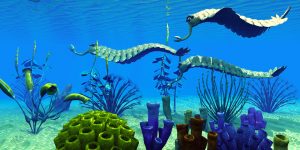
Multicellular organisms might have emerged some 600 million years ago. In geologic history, cyclic bursts of life and mass extinctions occurred. One of the notable explosions of life occurred during the Ediacaran period. The Ediacaran biota is presumed to be comprised of unicellular and multicellular living things. Another burst of life occurred during the Cambrian period (around 541 million years ago). In 2016, the number of species inhabiting the earth is estimated to be about 1 trillion. (Ref. 5)
NOTE IT!
“Cryptobiotic Tardigrades”
Did you know that there are some organisms that can return to “being active and alive” after several years of dormancy? That they seem to have re-awakened after a state of suspended animation?
Cryptobiosis, a state in which certain organisms enter a period of extreme dormancy or suspended animation and then appear to come back to life after a life of stasis, is definitely one of the most fascinating biological phenomena.
Who are these remarkable ‘Sleeping Beauties?
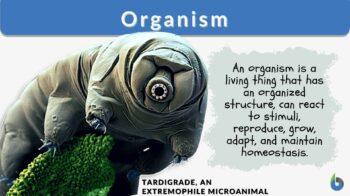
Tardigrades, or water bears, are one of the most revered organisms for their resilience. They have the ability to thrive in severe conditions that otherwise would be lethal to many organisms. You’ve probably heard about extremophiles, such as certain single-celled prokaryotes, that can live and thrive in extreme conditions. They can live in acidic hot springs and deep-sea hydrothermal vents as if they’re not excessive and intense as we perceive.
But tardigrades are different. They are multicellular animals! Yep! … tiny, charismatic, microscopic animals! A group of toughies that can survive in space, even a cataclysmic event such as an asteroid impact on Earth. Ref.7
They can because they are cryptobiotic. They can curl like a cute sleepy child, tucking in and about to enter the realm of dreams and stay like that for years.
Here, have a look below at how they assume the so-called “tun” state — like a “heavily armored glassy cocoon” that seems all too ready for any environmental hurdles.
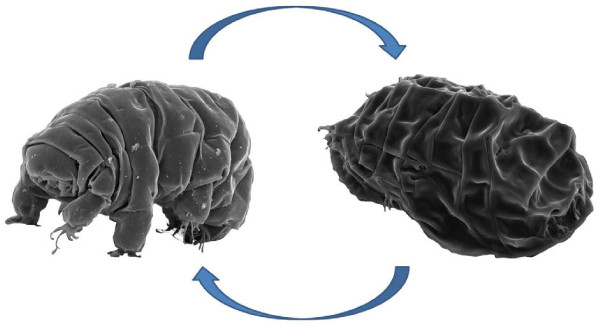
In this state, their metabolism drops significantly to almost nothing — from 100% of a free-living active lifestyle to about 99.99% of inactivity. Seems like they’re reserving that 0.01%, waiting for that right moment to spring back to life again.
Here, watch a tardigrade revived after being frozen for 30 years!
Try to answer the quiz below and find out what you have learned so far about organisms.

References
- NASA – NASA Researchers: DNA Building Blocks Can Be Made in Space. (2011, January 1). Retrieved from Link
- Doolittle, W. F. (February 2000). “Uprooting the tree of life”. Scientific American 282 (2): 90–5.
- Glansdorff, N., Xu, Y., & Labedan, B. (2008). “The last universal common ancestor: emergence, constitution and genetic legacy of an elusive forerunner”. Biology Direct 3: 29.
- Bowler, P. J. (2003). ‘Evolution. The History of an Idea’, third edition, p.90-91.
- The History of Animal Evolution. (2000, January 1). Retrieved from Link
- Researchers find that Earth may be home to 1 trillion species NSF – National Science Foundation. (2016, January 1). Retrieved from: https://www.nsf.gov/news/news_summ.jsp?cntn_id=138446
- Resnick, B. (2018, February 8). Tardigrades, explained. Vox; Vox. https://www.vox.com/science-and-health/2018/2/8/16991280/tardigrade-facts-waterbear-explained
Further Reading
- Classification system – Science Learning Hub. (This article elaborates on the classification system of organisms and constant evolution).
© Biology Online. Content provided and moderated by Biology Online Editors