maturity
A state of full development or completed growth.
Dictionary > Maturity
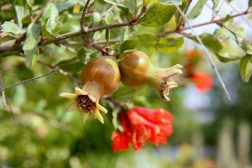
This tutorial deals with the structure and function of flowers, fruits, and seeds. Also included here are the types of fruits, fruit dispersal mechanisms, and seed germination. The distinctions between dicots and monocots, the two major groups of flowering plants, are presented in this tutorial...
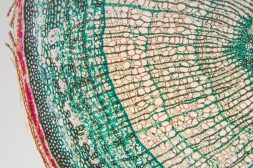
Plant organs are comprised of tissues working together for a common function. The different types of plant tissues are meristematic, simple, secretory, and complex tissues. Find out the distinctive characteristics of each tissue in terms of structure and function...
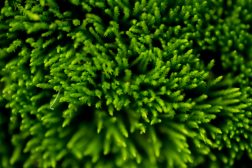
Bryophytes (nonvascular plants) are a plant group characterized by lacking vascular tissues. They include the mosses, the liverworts, and the hornworts. These groups of plants require external water, usually in the form of dew or rain. Some of them grow exclusively in dark, damp environments in order to provide moisture. Find out more about them here...
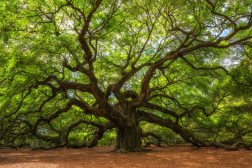
Seed plants are vascular plants. They differ from the other vascular plants in producing seeds that germinate into a new plant. Two major plant divisions are covered: the angiosperms and the gymnosperms. ..

This tutorial elaborates on the physical development of humans, particularly from puberty to adulthood. Read this tutorial to know the specific physical changes that female and male bodies undergo as they turn into adults...

Developmental biology is a biological science that is primarily concerned with how a living thing grows and attains maturity. The tutorials included here focuses on human growth and development. Thus, one can expect to learn about human zygote developing and maturing into adulthood after these tutorials. Also included here are informative guides on dietary sources..