Eukaryote
n., plural: eukaryotes
[juːˈkærɪˌɒt]
Definition: an organism with a nucleus and other membrane-bound organelles inside the cell(s)
Table of Contents
Eukaryote refers to any of the single-celled or multicellular organisms whose cell contains a distinct, membrane-bound nucleus. Organisms such as animals, plants, fungi, and protists are examples of eukaryotes because their cells are organized into compartmentalized structures called organelles, such as the nucleus.
The presence of a distinct nucleus encased within membranes differentiates the eukaryotic cells from the prokaryotic cells. The eukaryote cell is also distinguished from the cell of prokaryotes by having other cytoplasmic membrane-bound organelles apart from the nucleus, i.e., mitochondria, chloroplasts, endoplasmic reticulum, Golgi bodies, endosomes, lysosomes, and vacuoles. Eukaryotes often have unique flagella made of microtubules in a 9+2 arrangement.
Eukaryote Definition
A eukaryote is defined as any organism that is chiefly characterized by a cell with one or more nuclei at least once in its lifetime as opposed to a prokaryote that has a cell lacking a well-defined nucleus and with a nucleoid only. Nevertheless, both prokaryotes and eukaryotes have plasma membrane or cell membrane that surrounds the protoplasm.
Etymology: the term eukaryote (plural: eukaryotes) came from Greek ‘eu’, meaning “good”, “well”, “true” and ”káry(on)”, meaning “nut”, “kernel”. The term eukaryotic is a derived word and used to refer to eukaryote. Compare: prokaryote.
Eukaryotic Cell Features and Parts
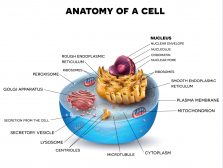
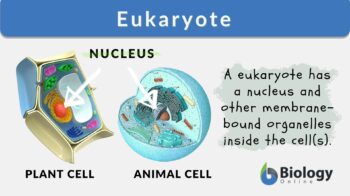
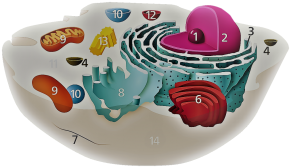
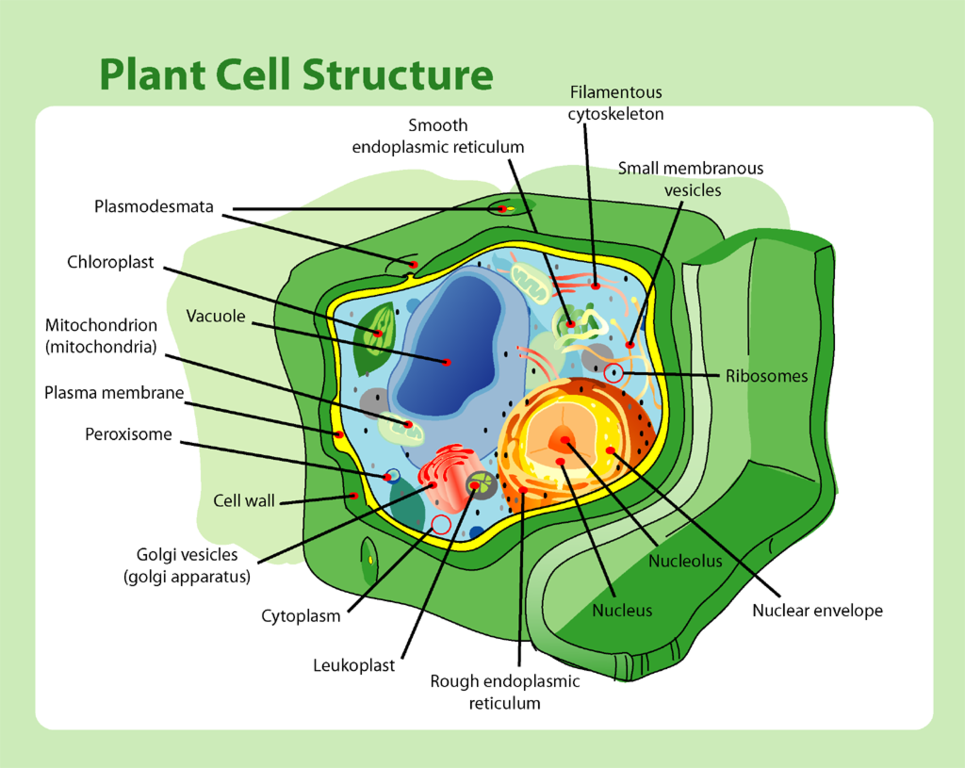
Here are two diagrams of a typical animal cell and a typical plant cell. Notice how a system of internal membranes separates their contents from the cytoplasm.
Cell organelles and structures
The cell of a eukaryote has several membrane-bound structures dispersed in the cytoplasm. They are called organelles. Organelles typically found inside a eukaryotic cell are the nucleus, endoplasmic reticulum, Golgi apparatus, mitochondrion, and plastid. Other cytoplasmic structures are cytoskeleton, inclusions, and biomolecules. These subcellular structures have their distinct functions and are involved in various metabolic activities that regulate cell biology and homeostasis.
Mitosis and Meiosis
The cells of eukaryotes divide by mitosis and meiosis. While a single cell that undergoes mitosis gives rise to two daughter cells, in meiosis, one cell gives rise to four daughter cells. The cells from meiosis will be haploid after two consecutive divisions. In males, the haploid cell will grow into a spermatozoon (sperm cell) whereas, in females, it could develop into an ovum (egg cell). These two gametes could come together in a union via fertilization and give rise to a diploid zygote.
Meiosis is essential as it is one of the major sources of genetic variations by way of genetic recombinations and chromosomal assortment.
Cellular organization
In multicellular eukaryotes, the zygote divides by a series of mitoses to give rise to stem cells that can develop and differentiate later into specialized cells that carry out a particular function and assemble into tissues, organs, and biological systems.
In humans, there are several cell types: myocytes, adipocytes, blood cells, neurons, hepatocytes, osteocytes, macrophages, etc.
Some eukaryotes are single-celled. The cell is an entire organism capable of performing all the fundamental functions (e.g. ingestion, respiration, excretion, osmoregulation, homeostasis, etc.) that different systems do in a multicellular organism. These single-celled organisms are exemplified by protists.
Eukaryote vs. Prokaryote
Let us briefly understand how eukaryotes differ from prokaryotes.
- Cell size. Prokaryotic cells are considerably smaller than eukaryote cells. They also have a greater surface area to volume ratio and therefore have greater metabolic rates.
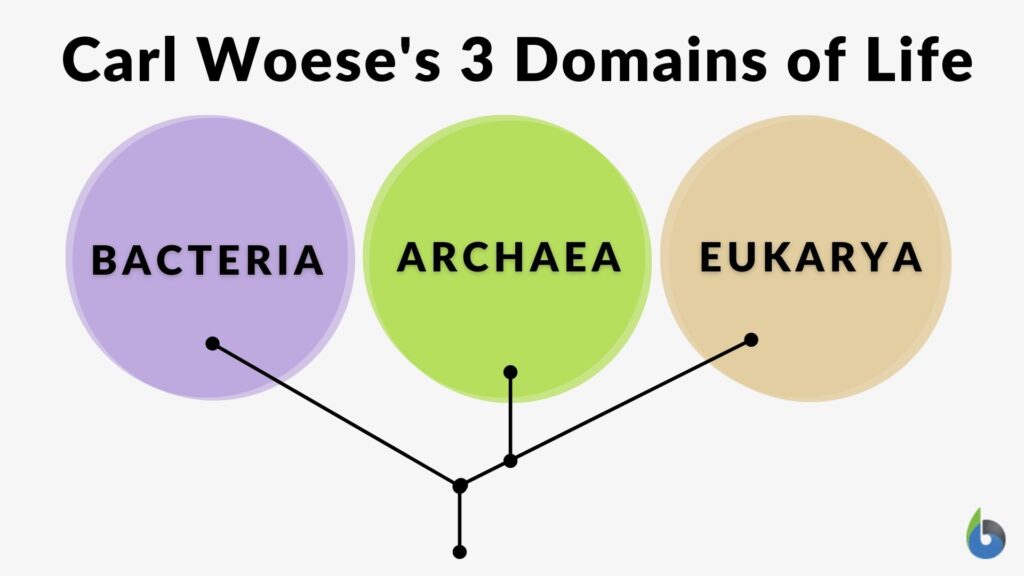
- Taxonomic domains. Eubacteria and archaea are two prokaryotic cells that share these features albeit belonging to separate domains, i.e. Domain Bacteria and Domain Archaea, respectively. Domain Eukarya (Eucarya) includes all eukaryotes.
- Genetic material. The DNAs inside the nucleus are complexed with histone proteins forming chromatin. During cell division, the chromatin condenses into a chromosome. The chromosomes are linear strands of DNA as opposed to the chromosomes of prokaryotes which are mostly circular.
- Nucleus vs nucleoid. Both eukaryotes and prokaryotes have genetic information stored in their genes. Nevertheless, prokaryotes have genes but they are not bound by an internal membrane system. Prokaryotes lack a nucleus. The region in the cytoplasm where the prokaryotic genes and DNAs are found is referred to as the nucleoid. Eukaryotes have a nucleus that contains nuclear DNA. The nucleus has a nuclear envelope (nuclear membrane), which is a lipid bilayer membrane perforated with nuclear pores.
- Other DNA sites. Another eukaryotic trait is their extranuclear DNA. They have DNA in organelles such as mitochondria and chloroplasts. These DNAs are particularly called mitochondrial DNA and chloroplast DNA, respectively. Prokaryotes, in contrast, do not have mitochondrial and chloroplast. As already mentioned, they have a nucleoid, which is simply a region in the cytoplasm where their DNA is found.
“Mitochondrial Eve”
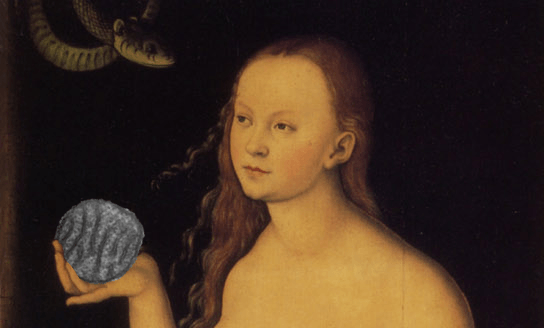 In humans, mitochondrial DNA (mtDNA) is theorized to be inherited from the maternal lineage. The theory of Mitochondrial Eve is based on the exclusivity of human mitochondrial DNA inheritance to the female line, which when traced would lead to the ‘first woman’, “Eve”. (Image credit: Ludela, Creative Commons Attribution-Share Alike 3.0 Unported). Read: Mitochondrial Eve – mitochondrial genes and inheritance
- Metabolic energy. The main source of metabolic energy for both eukaryotes and prokaryotes is ATP and they generate energy via cellular respiration. Those that make use of molecular oxygen in cellular respiration (aerobic-type) are eukaryotes and aerobic prokaryotes. Prokaryotes make use of their cytoplasm and cell membrane for aerobic cellular respiration whereas eukaryotes use the cytoplasm as the initial site and then use the mitochondria where the process culminates. Anaerobes, in turn, are generally those that generate energy via metabolic processes that do not utilize oxygen. Examples of such cellular processes are fermentation and anaerobic respiration. The human body resorts to fermentation when the oxygen supply becomes limited, such as during strenuous exercise, and then reverts to aerobic respiration when the oxygen level goes back to normal.
- Protein synthesis. Both of them also have ribosomes that assist during protein synthesis. However, the ribosomes of eukaryotes are 80S. In prokaryotes, the ribosomes are 70S. Both prokaryotic and eukaryotic ribosomes are made up of two ribosomal subunits. The prokaryotic ribosome (70S) is made up of 50S (large subunit) and 30S (small subunit). The eukaryotic ribosome (80S) consists of 60S (large subunit) and 40S (small subunit). [N.B. the S units do not add up since they represent measures of sedimentation rate, not mass.] While prokaryotes carry out protein synthesis in the cytoplasm, eukaryotes use membrane-bound organelles such as the endoplasmic reticulum, for protein maturation, and the Golgi apparatus for protein sorting and transport.
See this Table for the general differences between Prokaryotic cells and Eukaryotic cells.
Examples of Eukaryotes
All eukaryotic organisms belong to Domain Eucarya. Organisms belonging to this domain are animals, plants, fungi, and protists.
-
Animals
Animals are eukaryotes that distinct from the other groups of eukaryotes by being heterotrophic, motile, and multicellular, a body organized into cells, tissues, organs, and systems, lacking cell walls and chloroplasts, and growing from a blastula during embryonic development.
-
Plants
Plants are photosynthetic eukaryotes. Plant cells have chlorophyll and other pigments that help in photosynthesis. They have a cell wall comprised mainly of cellulose. It provides structural support. They are not as motile as the animals. Movements are limited but their growth is not. They are capable of unlimited growth through meristematic tissues. They lack the sense organs in animals. Nevertheless, they can sense certain stimuli and respond by tropisms.
-
Fungi
Similar to plants, fungi have cell walls. However, the cell walls are made up chiefly of chitin (material in the exoskeleton of insects). Fungi lack chlorophyll and therefore are heterotrophic. Many of them are multicellular, forming hyphae and mycelium. Few species are unicellular organisms. Examples are yeasts, rusts, stinkhorns, puffballs, truffles, molds, mildews, and mushrooms.
-
Protists
Protists are single-celled eukaryotes. However, some species form filaments or colonies of the same species. They move around as they have locomotory organs, such as pseudopods, cilia, and flagella. Others lack these organs and therefore are non-motile. Protists include the following: (1) protozoa, the animal-like protists, (2) algae, the plant-like protists, and (3) slime molds and water molds, the fungus-like protists.
Eukaryotic Evolution and Phylogeny
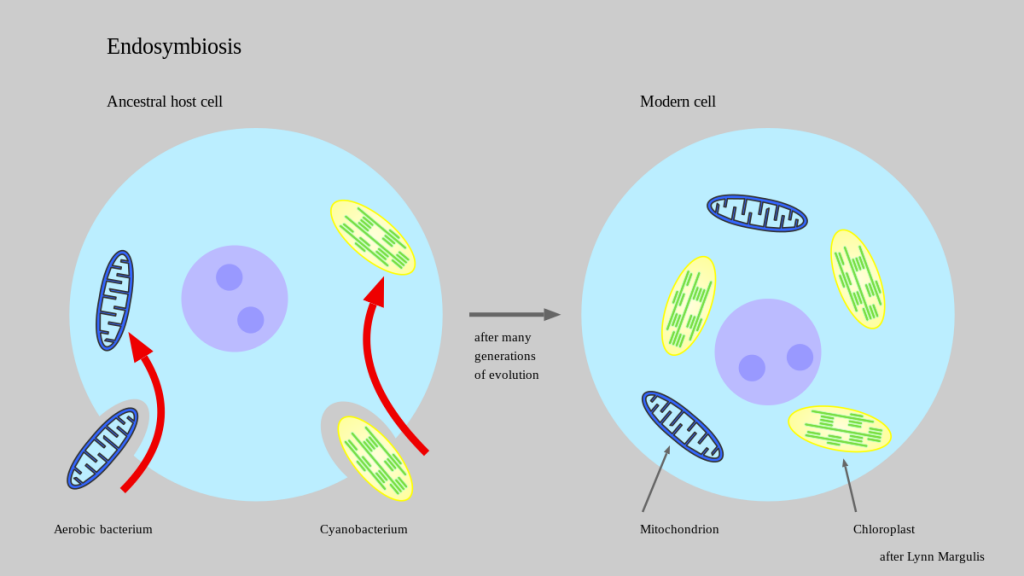
Based on fossil evidence, eukaryotes emerged about 1.6 billion years ago (Proterozoic eon), and may have evolved from the early prokaryotes as the latter would have been the only ones to live under extreme environmental conditions. Endosymbiotic theory, the leading theory, proposes that eukaryotes came about as a result of early endosymbiosis between the cells of Archaea and Bacteria.
“Endosymbiotic theory
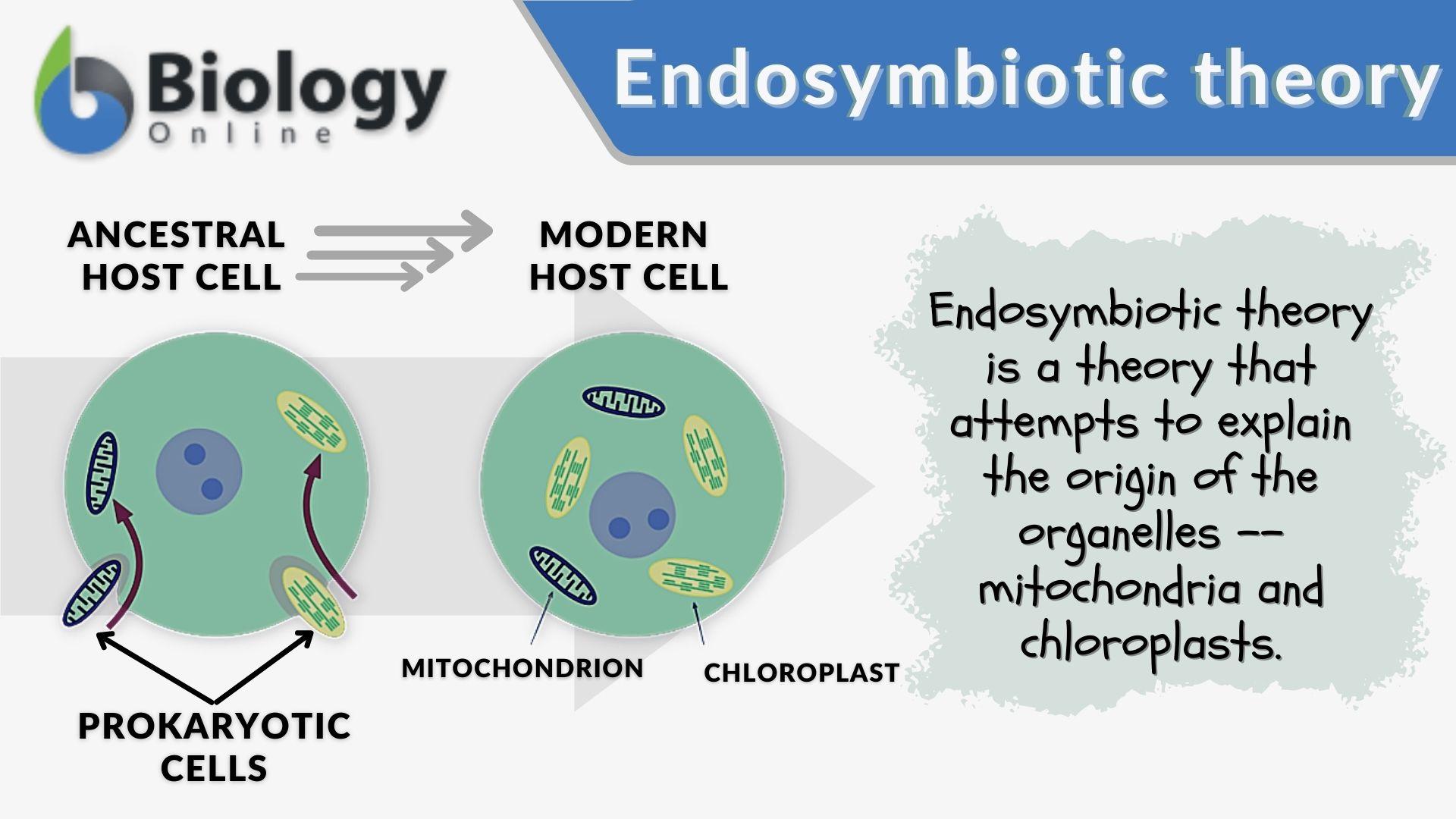
After many generations of evolution, the ancestral host cells evolved into the present-day eukaryotic cells containing the organelles — mitochondria and chloroplasts — which are likely of bacterial origin, particularly from aerobic bacteria and photosynthetic bacteria, respectively.
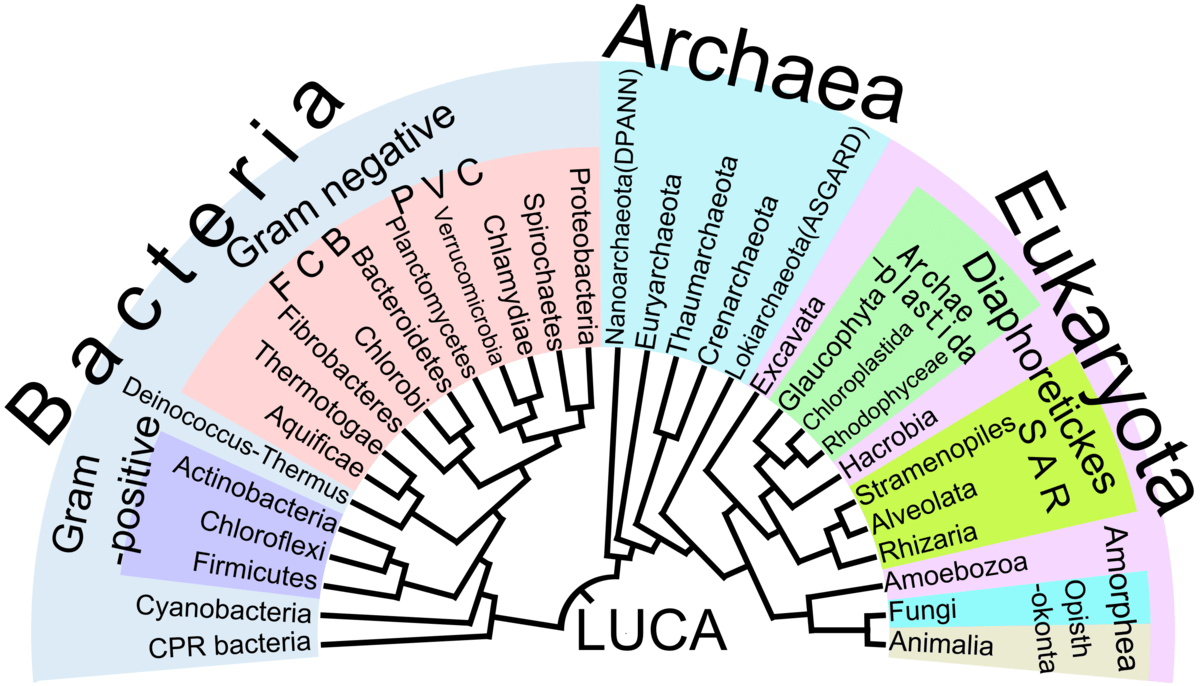
Phylogenetic trees derived from phylogenetic analyses depict that the first eukaryote, referred to as the last eukaryotic common ancestor (LECA), is believed to be the last common ancestor of all eukaryotes.
The first eukaryotes would have been likely protists or protist-like unicellular eukaryotes that developed cellular function compartmentalization, membrane proliferation, and endosymbiotic relationships with the early aerobic and/or photosynthetic prokaryotes. The question is, which of these eukaryotic developments first came about?
There is no clear-cut answer to it to this day. Also, some scientists suggest that LECA may have not been living singly but as a population of cells that are genetically diverse and exchanging genes. (Wilcox, C., 2019)

Some eukaryotes, such as Giardia lamblia and Trichomonas vaginalis, lack the classic mitochondria. They seem to have lost their mitochondria secondarily but they have mitochondria-like organelles, such as hydrogenosomes and mitosomes. Because of this, G. lamblia and T. vaginalis are posited to represent the amitochondriate primitive eukaryotic cells. (Shiflett et al., 2010)
The evolution of eukaryotes is deemed to be non-Darwinian as Darwinian evolution is mainly about beneficial genes towards reproductive success. Eukaryotic evolution, though, is posited to have occurred mainly by horizontal gene flow and then ‘fusing’ to form new organisms. (DeRennaux, 2008)
Take the Eukaryote Biology Quiz!

Further Reading
- Prokaryotes – What set them different from Eukaryotes?
- Nucleus – A cell organelle in Eukaryotes
- What is a Cell?
- Organism – Characteristics
- Gene Regulation in Eukaryotes – Biology Online Tutorial
- Cell Structure – Biology Online Tutorial
References:
- BIOdotEDU. (2019). Retrieved from Cuny.edu website: http://www.brooklyn.cuny.edu/bc/ahp/LAD/C5/C5_Eukary.html
- More on Eukaryote Morphology. (2019). Retrieved from Berkeley.edu website: https://ucmp.berkeley.edu/alllife/eukaryotamm.html
- Prokaryotic vs. Eukaryotic. (2019). Retrieved from Nku.edu website: https://www.nku.edu/~whitsonma/Bio150LSite/Lab%205%20Cells/Bio150LRCellTypes.htm
- Eukaryotes and their Origins | Organismal Biology. (2022). Gatech.edu. https://organismalbio.biosci.gatech.edu/biodiversity/eukaryotes-and-their-origins/
- Shiflett, A. M., & Johnson, P. J. (2010). Mitochondrion-Related Organelles in Eukaryotic Protists. Annual Review of Microbiology, 64(1), 409–429. https://doi.org/10.1146/annurev.micro.62.081307.162826
- Researchers Rethink the Ancestry of Complex Cells | Quanta Magazine. (2019, April 9). Quanta Magazine. https://www.quantamagazine.org/rethinking-the-ancestry-of-the-eukaryotes-20190409/
- DeRennaux, B. (2008). Eukaryotes, Origin of. Encyclopedia of Ecology, 1428–1432. https://doi.org/10.1016/b978-008045405-4.00787-4
© Biology Online. Content provided and moderated by Biology Online Editors.