|
|
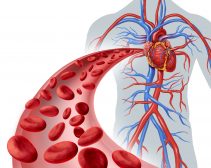
Dictionary » B » Blood pressure Blood pressureBlood pressure (Science: cardiology, physiology) The force that the circulating blood exerts on the walls of the arteries. this measurement is divided into systolic (pressure during contraction of the heart) and diastolic (pressure during relaxation phase). blood pressure varies with age and sex of the individual. A rough rule of thumb for normal systolic pressure is 100 _ age of individual. In children 2 x (age) _ 80 = systolic bp The diastolic pressure should be roughly 2/3 the systolic pressure. The pressure of the circulating blood against the walls of the blood vessels; results from the systole of the left ventricle of the heart; sometimes measured for a quick evaluation of a persons health; adult blood pressure is considered normal at 120/80 where the first number is the systolic pressure and the second is the diastolic pressure.The force by which blood hits the walls of blood vessels as a result of the force exerted by the heart to create a pulsing act. ![]()
Please contribute to this project, if you have more information about this term feel free to edit this page ![]()
Results from our forumcellular mechanisms that result in symptoms of cholera... lead to signs of dehydration.For example, vomiting, wrinkled skin, low blood pressure, dry mouth, rapid heart rate. Thanks :(
See entire post
Re: Sound and how the brain reacts to it... chills. I think the chills is the body temperature dropping because our blood pressure is lowering. Now the science: It seems to me that sounds on particular that soothe ...
See entire post
Connection between opioid receptors and fatty acid receptors... Some outtakes: Blood vessels were regulated by some of these receptors. Bradykinin widens blood vessels lowering blood pressure and angiotensin has opposite effects to bradykinin. Thrombin and platelet activating ...
See entire post
Blood Glucose Levels... because of an autoimmune reaction the insulin levels are low in the blood. This impairs the intake of glucose to the cells and results in elevated ... water and glucose due to the effects of the increased osmotic pressure. So, your reasoning would not work in this case, since the pancreas ...
See entire post
Hyper and hypo tension?... in the glomerulus capillaries in the kidneys, since there is a lower pressure for blood to be pumped through at.
See entire post
This page was last modified 21:16, 3 October 2005. This page has been accessed 9,564 times. |
© Biology-Online.org. All Rights Reserved.
Register | Login
| About Us | Contact Us | Link to Us | Disclaimer & Privacy