Animal
n., plural: animals
[ˈænɪməl]
Definition: multicellular eukaryotic organisms of the Kingdom Animalia
Table of Contents
Animal Definition
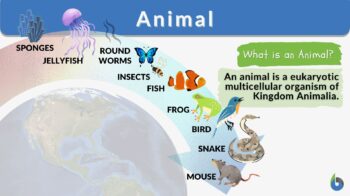
An animal (plural: animals) refers to any of the eukaryotic multicellular organisms of the biological kingdom Animalia. Animals of this kingdom are generally characterized to be heterotrophic, motile, having specialized sensory organs, lacking a cell wall, and growing from a blastula during embryonic development. Etymology: Latin animale (neuter of animalis). Synonym: fauna.
Phylum Chordata is an example of a group of animal belonging to Kingdom Animalia. They include snakes, ravens, wolves, horses, dolphins, deer, and humans. Let’s discover more about this fascinating group: What is phylum chordata? Join our Forum now!
 Phylum Chordata is an example of a group of animal belonging to Kingdom Animalia. They include snakes, ravens, wolves, horses, dolphins, deer, and humans. Let’s discover more about this fascinating group:
Characteristics of Animals
An animal pertains to any of the eukaryotic multicellular organisms that comprise the biological kingdom of Animalia. Animals possess several characteristics that set them apart from other forms of life. Some of their general characteristics are as follows:
- Animals are multicellular organisms. The animal body is composed of several cells performing specific functions as opposed to bacteria and most protists that are unicellular. The cells may then be organized into various animal tissues, such as epithelial tissues, connective tissues, muscle tissues, nervous tissues, and vascular tissues. The cells in tissues may be held through cell junctions, e.g. tight junctions, gap junctions, and desmosomes.
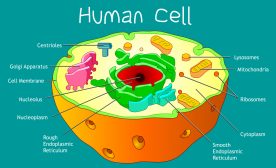
- Animals are eukaryotic. An animal cell typically contains a membrane-bound nucleus and organelles suspended in the cytoplasm. The liquid part of the cytoplasm is the cytosol consisting of water, organic molecules, dissolved ions, and other molecules.
- The nucleus is the organelle that contains chromosomes that bear genes (DNA).
- Apart from the nucleus, there are other organelles suspended in the cytoplasm of an animal cell, such as the Golgi apparatus, endoplasmic reticulum, lysosomes, and peroxisomes.
- Animal cells lack plastids and cell walls, which are abundant in plant cells, algae, and certain fungi.
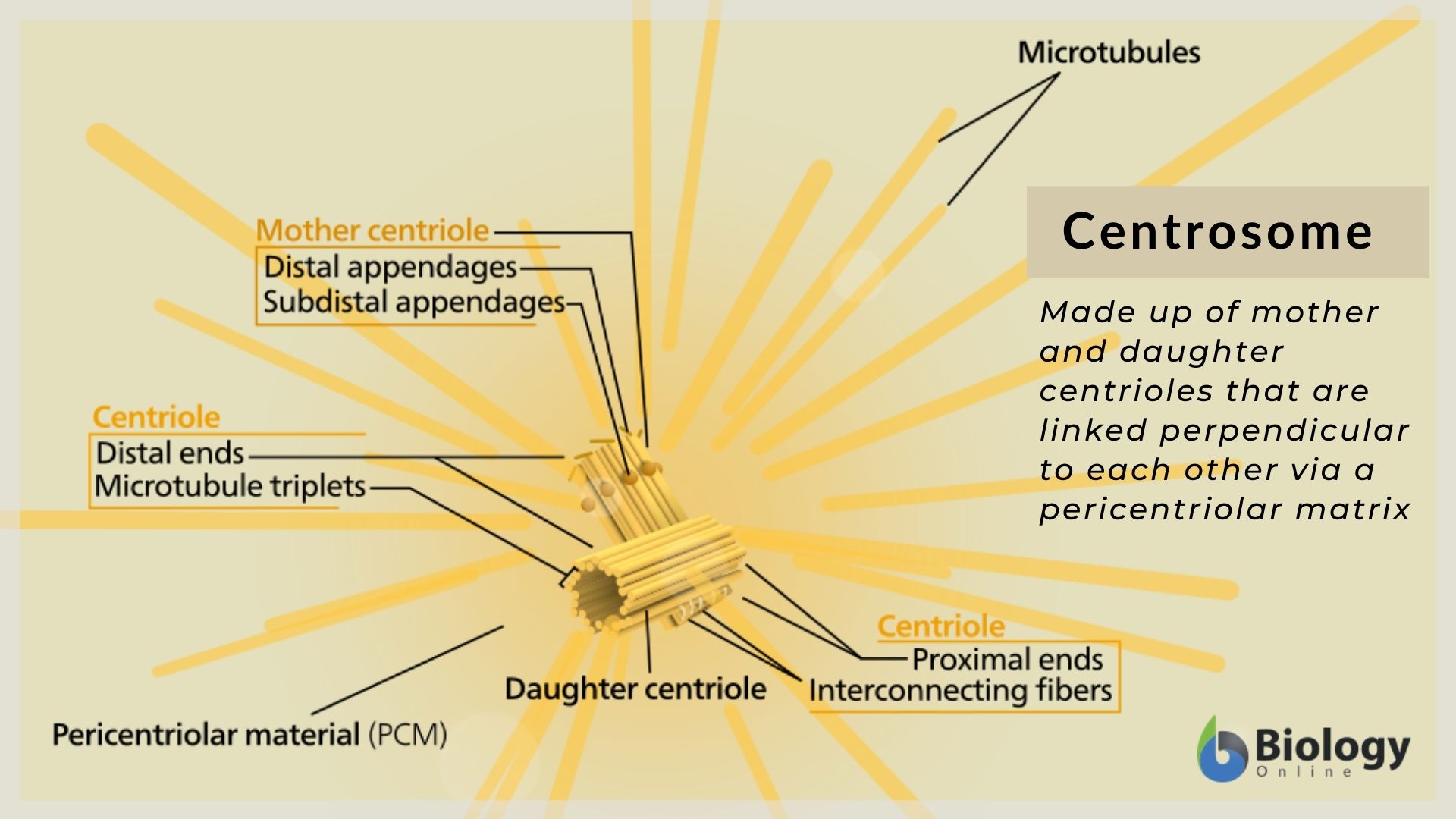
- Animal cells have centrosomes that consist of two centrioles. It is involved in the formation of the mitotic spindle, assembly of microtubules, and regulation of cell cycle progression. s considered to be the main microtubule-organizing center (MTOC), regulating cell adhesion, motility, and polarity.
-

The centrosome is present in animal cells but not in most plant cells. Image prepared by Maria Victoria Gonzaga for Biology Online, using the diagram of Kelvinsong, CC BY 3.0 Unported. READ: Plant Cells vs. Animal Cells – Biology Online Tutorial
- Animals are heterotrophic. Unlike plants and algae which are autotrophic, the animals depend on another organism for food. Animal carnivores, for instance, are adapted to hunting their prey while others scavenge for animal carcasses or remains. Others feed on plants and as such are referred to as herbivores. Omnivores are animals that feed on both plants and animals. Most animals have an elaborate digestive system in the form of an internal chamber (a digestive tract) that processes ingested food to extract nutrients from it and then releases it from the body in the form of excreta or waste matter. Many animals have a mouth for ingestion and an anus for excretion. Other animals (e.g. Platyhelminthes, cnidarians) have only one opening that serves both as a mouth and an anus. Poriferans, in contrast, lack a digestive system (as well as nervous and circulatory systems).
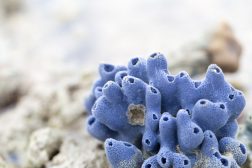
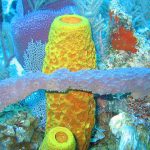
- Animals are generally motile. They have the capacity to move at will. They can spontaneously and actively move by metabolically utilizing energy (e.g. ATP) during the process and with the aid of muscles and locomotory structures (e.g. arms, legs, wings, fins, tails, etc.). Animal locomotion refers to the variety of movements that animals use to move from one location to another. Some of these movements are running, walking, jumping, hopping, slithering, swimming, gliding, flying, soaring, and so on. Animals move for multifarious reasons. Some of the reasons animals move are to hunt prey, escape predators, and find a mate or a suitable habitat. There are animals, though, that have become sessile later in life. They become permanently attached to a substrate. Examples are barnacles, sponges, mussels, and corals.
- Animals possess specialized sensory organs such as eyes, ears, nose, skin, and tongue. These sensory organs are vital for use in recognizing and responding to stimuli in the environment. Each of these sense organs contains common and specialized receptors.
- Animals reproduce sexually. They produce a haploid sperm cell (a male sex cell) and a haploid ovum (a female sex cell) that unite at fertilization to form a diploid zygote. Conversely, some animals are capable of asexual reproduction. For instance, some cnidarians produce a genetic clone by budding. Others (e.g. aphids) are capable of parthenogenesis whereby they produce fertile eggs without mating.
- Animals develop from an embryo that passes through a blastula stage. In early embryonic development, a fluid-filled cavity called blastocoel appears within a morula (i.e. a ball of cells that forms from a series of cell divisions). At this point, the embryo is referred to as a blastula. Cell movement and differentiation start to occur during this stage.
- Animals have a distinctive cell division when a cleavage furrow forms to separate daughter cells. This is in contrast to the plant’s cell plate (phragmoplast) that forms in cell division.
- Animals respire aerobically, taking in oxygen (inspiration) and then releasing carbon dioxide (expiration). Oxygen is important to cell respiration as it serves as the final electron acceptor in redox reactions during the synthesis of metabolic energy. The different animal structures involved in the exchange of respiratory gases: (1) the skin of tapeworms, earthworms, and leeches, (2) the trachea of insects, (3) the gills of fish, and (4) the lungs of mammals, reptiles, and birds. Amphibians use different respiratory organs at different stages, i.e. gills at the tadpole stage and then skin and lungs at the adult stage.
- With few exceptions, animals possess the following general biological systems: integumentary system, lymphatic system, muscular system, nervous system, reproductive system, respiratory system, skeletal system, and urinary system.
Animal Body Plan
Most animals (at least 99%) have a bilaterally symmetric body plan. When the body is divided by a sagittal plane, the result is having two sides with roughly mirror images, at least morphologically. Most animals are sexually dimorphic, i.e. males and females exhibit different characteristics aside from the differences in their sex organs. For example, males are typically taller and bigger in size than females. In another example, the plumage of birds and the scales of fish are usually more vibrant or colorful in males than in females, which seem to be essential in attracting mates.
In general, animals have the following body systems (as mentioned previously) and each of these systems is made up of organs and tissues. The organs, in turn, are made up of tissues that carry out a particular function. The tissues consist of cells that perform various metabolic activities. There are two major types of cells: somatic cells and sex cells (i.e. sperm cells and egg cells).
At the cellular level, an animal cell has compartmentalized structures called organelles. The different organelles are mitochondria, Golgi apparatus, endoplasmic reticulum, lysosomes, and peroxisomes. Plastids, which are abundant in a plant or an autotrophic cell, are not present in animal cells. The cell wall is also lacking. Thus, an animal cell in a hypotonic solution will swell and eventually burst (lyse) since it lacks the cell wall that prevents lysis during excessive osmosis. The nucleus contains chromosomes that can be classified into two types: autosomes and sex chromosomes.
Life Cycle
The life cycles in the animal kingdom are diverse. For brevity, the four fundamental stages are infancy » young » adulthood » senescence. All animals undergo these stages in their life cycle. Most mammals have a life cycle that is simple and straightforward. Nevertheless, there are animals whose life cycles are rather complex. Amphibians, like frogs, undergo metamorphosis. Initially, tadpoles live underwater and breathe through the gills.
Over time, they grow into froglets, and soon into adults that live on land and breathe through the lungs. Another example is insects. A gravid female releases eggs. Larva (young) hatches from the egg and goes on to feed. Soon, the larva becomes a pupa, which in turn, metamorphoses into an adult capable of breeding. These animals go through radical transformations. The adult is morphologically far-off from the young.
In animals, the major form of reproduction is by sexual means. Male and female sex cells unite to form a zygote that in time will grow into an animal of their kind. Most animals are diploid. This means that the progeny comes from the union of two sex cells and then grows possessing two sets of chromosomes – one from the male parent and the other from the female parent.
Sex determination is usually genetic. It can be identified based on chromosomal combinations. The different chromosomal systems that determine the sex of the animal are XY, ZW, XO, ZO, UV, and haplodiploidy. In most mammals (including humans), sex determination is based on the XY sex-determination system wherein a female has two X chromosomes and a male has one X chromosome and one Y chromosome.
Some animals are capable of asexual reproduction, e.g. by fragmentation and parthenogenesis. In this case, the animal reproduces a clone. However, asexual reproduction could become an evolutionary disadvantage as it could lead to decreased diversity in the gene pool and the prevalence of harmful recessive traits.
Ecology
Animals are an important part of the ecological system. They form intricate food webs. They interact with other organisms and form various symbiotic relationships, e.g. mutualism, predation, competition, commensalism, and parasitism. Some animals demonstrate altruistic (self-sacrificing) behavior for the benefit of their conspecifics or colonies.
The animals in the wild help regulate biodiversity as they act as nature’s biological control agents as well as serve as an important source of nutrients for other species. Remains from dead animals serve as food for detritivores. Moreover, the decomposition of the dead animal body enables the return of elements and organic compounds to Earth. Thus, the extinction of an animal species has a major impact on the ecosystem.
In 2011, the Census of Marine Life estimated that there could be around 8.74 million eukaryote species on Earth. Approximately, 7.77 million of them are animal species, and 953, 434 have already been described and cataloged.1 Unfortunately, there are possibilities that some of the animal species could have become extinct even before they are fully identified and cataloged.
Thus, conservation efforts are being made globally to save the dwindling number of animals, especially those nearing extinction. The International Union for Conservation of Nature’s Red List of Threatened Species, a system of assessing the conservation status of species worldwide, utilized a system of labeling species based on extinction risk. Accordingly, animal species are categorized as: “data deficient”, “least concern”, “near-threatened”, “vulnerable”, “endangered”, “critically endangered”, “regionally extinct”, “extinct in the wild”, and “extinct”.2
Evolution of Animals
The evolution of life on Earth would lead to the common ancestor, LUCA (last universal common ancestor), presumed to have emerged some 3.5 to 3.8 billion years ago. It is the hypothetical ancestor of all living things, including animals. Here’s a brief timeline of the evolution of animals is shown below:
- Proterozoic eon » Neoproterozoic era » Ediacaran period: Around 600 million years ago, multicellular organisms, referred to as Ediacaran biota, existed based on the first fossils recovered in South Australia. However, the biota disappeared after it flourished for the last 40 million years before the start of the Cambrian. Thus, they are also referred to as the “Pre-Cambrian life”. Called the Ediacaran fauna, these organisms are presumed as the earliest animal forms that resembled the sponges with several morphologies: mud-filled bags (e.g. Pteridinium), flattened torus (e.g. Vendoglossa tuberculata), “quilted” (e.g. Charnia, Swartpuntia), sturdy with spicules (e.g. Coronacollina acula). Size ranges from 1cm to less than 1m.3
- Phanerozoic eon » Paleozoic era » Cambrian period: approximately 541 million years ago, several animals first appeared in the fossil record. Referred to as the Cambrian explosion, it was as if a sudden burst of life occurred during the Cambrian period. Fossils of diverse animals were recovered. One of the most popular Cambrian fossil materials is the Burgess Shale. The fossil assemblage is a 508 million-year-old rock unit that contains diverse animals, such as trilobites, mollusks, echinoderms, brachiopods, Opabinia, Pikaia.Fossil of agnathan (jawless fish) Haikouichthys ercaicunensis was also found and hinted that the agnathans may have been the earliest fish and existed as early as 530 million years ago. Animals are believed to have evolved in the sea, and animal evolution may have started billion years ago or at least long before the Ediacaran period. Eventually, animals ventured onto land, presumably during the Late Cambrian or Early Ordovician. The discovery of the footprint of centipede-like, lobster-sized animals preserved in rocks in southeastern Canada hinted that animals might have ventured ashore about 530 million years ago probably to mate and lay eggs.4
- Phanerozoic eon » Paleozoic era » Ordovician period: In the Ordovician period (485-440 million years ago), the animals continued to diversify. The fauna was predominated by invertebrates such as trilobites, snails, shellfish, cephalopods, and corals. Primitive fish were also evolving during this period.3 However, a glaciation event led to the Ordovician-Silurian extinction (one of the deadliest mass extinctions in the history of the Earth).
- Phanerozoic eon » Paleozoic era » Silurian period: In the Silurian period (440-415 million years ago), a mass evolution of fish occurred. The Silurian marine fauna was predominated by jawless (agnathans) and jawed fish. The first freshwater fish first appeared as well. The arthropods, though, remained major predators. Terrestrial animals such as early arachnids and arthropods (together with vascular plants) not just ventured into the land. This time, they colonized it for the first time. Thus, land animals in due course evolved internal gas exchange systems, waterproof external layers, skeletal systems (endo- or exoskeletons), and a form of reproduction that does not involve water.3
- Phanerozoic eon » Paleozoic era » Devonian period: Devonian period (415-360 million years ago) is referred to as the Age of the Fish. Sharks and agnathans became common during this period. Two lineages, ray-finned and lobe-finned fish, first appeared in fossil records. The fish became the dominant marine vertebrate species. On land, the appearance of primitive plants, trees, and shrub-like forests provided new habitats for arthropods. The first tetrapods to appear were amphibians (e.g. Ichthyostega). The land continued to be dominated by arthropods, such as arachnids and wingless insects. However, another major mass extinction occurred. Called the late Devonian extinction, about 70% of species became extinct.
- Phanerozoic eon » Paleozoic era » Carboniferous period: In the Carboniferous period (360-300 million years ago), some of the dominant invertebrates in marine habitats are foraminifera, corals, bryozoan, ostracods, brachiopods, and echinoderms. In freshwater, the dominant invertebrates are bivalve mollusks and crustaceans. As for the dominant vertebrates, fish dominated the aquatic habitats. Major predators include elasmobranchs in the seas and Xenacanthida in freshwater. Arthropods on land continued to evolve. Some of them grew into giants. For example, the millipede-likeArthropleura is regarded as the largest land invertebrate as it could grow to size up to 8.5 ft. The dragonfly-like insect Meganeura, in turn, is the largest flying insect. One of the most important evolutionary milestones was the appearance of tetrapods that lay amniotic eggs. The laying of amniotic eggs in a drier environment allowed tetrapod ancestors of reptiles, birds, and mammals to move farther away from the waterside, and thereby dominate farther inland. Because of this, amniotes diversified greatly by the end of this period.
- Phanerozoic eon » Paleozoic era » Permian period: The Permian period (300-250 million years ago) had one continent called Pangaea surrounded by the Panthalassa ocean, and as such the inlands were very dry and arid. Thus, reptiles and synapsids were the animals that flourished during this period. A major evolutionary transition occurred as the reptile group “Dimetrodon” evolved and gave rise to “beast-faced” therapsids. These reptiles evolved and gave rise to the cynodonts (early ancestors of mammals) towards the end of the period.3 The first archosaurs (early ancestors of dinosaurs) also appeared in the late Permian period. Another mass extinction event called “the Great Dying” occurred and caused the death of about 90% of life on Earth.
- Phanerozoic eon » Mesozoic era: During this era (252 million to 66 million years ago), the reptiles dominated the land, the seas, and the air. It is referred to as “the Age of the dinosaurs”. Towards the end of the Cretaceous period, a mass extinction occurred and caused the wiping out of the dinosaurs and other large animals (i.e. >25 kg in weight). This led to the expansion of mammals on land.
- Phanerozoic eon » Cenozoic era: This era called the “new life” is the most recent geological era that spans from 66 million years ago to the present day. The era features the rise of mammals. The great apes evolved and led to the evolution of hominids, which was the evolutionary line that led to the Homo species. The only extant species of the genus Homo is the Homo sapiens (anatomically modern humans).
Taxonomy
In 1758, Carl Linnaeus created a biological classification system for animals. In 1874, Ernst Haeckel proposed to divide the animal kingdoms into two groups: the multicellular Metazoa and the single-celled Protozoa. Later, the protozoans were no longer considered animals and have been designated with their own biological kingdom. At present, the kingdom Animalia is comprised of the following extant phyla:
- Acanthocephala (thorny-headed worms)
- Acoelomorpha (acoels)
- Annelida (segmented worms)
- Arthropoda (arthropods)
- Brachiopoda (lamp shells)
- Bryozoa (moss animals, sea mats)
- Chaetognatha (arrow worms)
- Chordata (chordates)
- Cnidaria (coelenterates)
- Ctenophora (comb jellies)
- Echinodermata (echinoderms)
- Entoprocta (goblet worm)
- Gastrotricha (meiofauna)
- Gnathostomulida (jaw worms)
- Hemichordata (acorn worms, pterobranchs)
- Kinorhyncha (mud dragons)
- Loricifera (brush heads)
- Micrognathozoa (tiny jaw animals)
- Mollusca (molluscs)
- Nematoda (nematodes, roundworms)
- Nematomorpha (horsehair worms)
- Nemertea (ribbon worms)
- Onychophora (velvet worms)
- Orthonctida
- Phoronida (horseshoe worms)
- Placozoa (plate animals)
- Platyhelminthes (flatworms)
- Porifera (sponges)
- Priapulida
- Rhombozoa
- Rotifera (rotifers)
- Sipuncula (peanut worms)
- Tardigrada (water bears)
- Xenoturbellida
Significance
Animals have long been a key player in the ecosystem and performing an essential role in the lives of other organisms whether from the same kingdom or not. For instance, the carbon dioxide that the animals breathe out is essential to plants and other autotrophs as it is a reactant in the early steps of photosynthesis.
Animals have also a great impact on the lives of humans. Besides as a source of meat, milk, and eggs, animals are also a source of materials (e.g. wool). Because of this, some of them have been domesticated. Cows, chickens, horses, pigs, sheep, etc. are some of the domesticated animals. There are also animals that are made as pets, e.g. dogs, cats, birds, etc. Some of them are even trained to carry out “jobs”, e.g. guard dogs, rodent-hunting cats, and homing pigeons. Certain animals (e.g. fruit flies, mice, primates) are made to serve as animal models for scientific research.
NOTE IT!
Animal Trivia
- The largest extant animal on earth is the blue whale (Balaenoptera musculus). It could weigh up to 190 metric tonnes and reach up to 110 ft long.
- On land, the largest extant animal is the African bush elephant (Loxodonta africana) which could weigh up to 12.25 tonnes and reach up to 35.0 ft long.
- The smallest animal is a cnidarian Myxozoa (e.g. Myxobolus shekel) that grows no larger than 20 µm.
Research
The branch of science that deals with animals is zoology. The topics are varied. Some of the areas of study are morphoanatomy, histology, physiology, ecology, evolution, taxonomy, and ethology. Specific groups of animals being studied also led to sub-disciplines such as entomology (the study of insects), herpetology (the study of amphibians and reptiles), ornithology (the study of birds), mammalogy (the study of mammals), etc.
Scientific Classification
- Kingdom: Animalia 1758
Try to answer the quiz below to check what you have learned so far about animals.

References
- Mora, C., Tittensor, D. P., Adl, S., Simpson, A. G. B., & Worm, B. (2011). How Many Species Are There on Earth and in the Ocean? PLoS Biology, 9(8), e1001127. https://doi.org/10.1371/journal.pbio.1001127
- The IUCN Red List of Threatened Species. (2018, January 1). Retrieved from https://www.iucnredlist.org/
- The History of Animal Evolution. (2000, January 1). Retrieved from https://sci.waikato.ac.nz/evolution/AnimalEvolution.shtml
- Clarke, T. (2002). Oldest fossil footprints on land. Nature News. Retrieved from https://doi.org/doi:10.1038/news020429-2
Notes
The taxonomic classification of organisms may change based on new findings.
Recommended Source
- The Society for Experimental Biology (SEB): Animal Biology. Read the latest news on Animal Biology from SEB here
© Biology Online. Content provided and moderated by Biology Online Editors